Topic areas: original research articles describing single gene function studies and large scale forward genetics screens; characterisation of EST collections; full and partial genome annotation; protein-protein interaction mapping; inter-comparison of specific gene mutants within and between species; bioinformatics analysis; other databases on interactions and review articles.
2025
Berelson, M. et al, (2025). From air to insight: the evolution of airborne DNA sequencing technologies.
Microbiology doi:
10.1099/mic.0.001564.
Chakraborty, A. et al, (2025). Deciphering the microbiome potential and metabolic profiling of animal waste co-composting reveals the co-occurrence network of non-microbial and microbial biostimulants to strengthen conservative practices in sustainable agriculture.
Chem. Biol. Technol. Agric. doi:
10.1186/s40538-025-00765-3.
Chen, H. et al, (2025). Accumulation and translocation of antibiotic resistance genes in plants cultivated in hydroponic systems with nitrified biogas slurry.
J. Hazard. Mater. doi:
10.1016/j.jhazmat.2025.140092.
Chen, M. et al, (2025). Particle size transfer of antibiotic resistance genes in typical processes of municipal wastewater treatment plant.
Bioresourc. Technol. doi:
10.1016/j.biortech.2025.132288.
D'Angelo, D. et al, (2025). IMA GENOME-F20 A draft genome assembly of Agroathelia rolfsii, Ceratobasidium papillatum, Pyrenopeziza brassicae, Neopestalotiopsis macadamiae, Sphaerellopsis filum and genomic resources for Colletotrichum spaethianum and Colletotrichum fructicola.
Ima Fungus doi:
10.3897/imafungus.16.141732.
De Maayer, P. et al, (2025). Pan-genome analysis of the Enterobacter hormaechei complex highlights its genomic flexibility and pertinence as a multidrug resistant pathogen.
BMC Genomics doi:
10.1186/s12864-025-11590-1.
Deng, K. et al, (2025). Decoding pecan's fungal foe: A genomic insight into Colletotrichum plurivorum isolate w-6.
Journal of Fungi doi:
10.3390/jof11030203.
Du, S. et al, (2025). Children's home environments as reservoirs of antimicrobial resistance: Divergent urban-rural risks from antibiotic resistance genes and pathogens.
J. Hazard. Mater. doi:
10.1016/j.jhazmat.2025.139053.
Duan, G. et al, (2025). An emerging bacterial leaf disease in rice caused by Pantoea ananatis and Pantoea eucalypti in Northeast China.
Microorganisms doi:
10.3390/microorganisms13061376.
Gardoul, M. et al, (2025). Comprehensive whole-genome analysis of Streptococcus infantarius strains from Moroccan farmhouse dairy products: Genomic insights into dairy adaptation, safety, and biotechnological potential.
Int. J. Food Microbiol. doi:
10.1016/j.ijfoodmicro.2025.111358.
Gu, T. et al, (2025). Faucicola mancuniensis isolated from human respiratory tract and its genomic characteristicstics.
BMC Microbiol. doi:
10.1186/s12866-025-04253-4.
Harrigian, F. et al, (2025). Uncovering the Fungus Responsible for Stem and Root Rot of False Indigo: Pathogen Identification, New Disease Description, and Genome Analyses.
Plant Disease doi:
10.1094/pdis-07-24-1396-re.
Hearfield, N. et al, (2025). Establishment of an experimental system to analyse extracellular vesicles during apoplastic fungal pathogenesis.
Journal of Extracellular Biology doi:
10.1002/jex2.70029.
Hill, R. et al, (2025). Evolutionary genomics reveals variation in structure and genetic content implicated in virulence and lifestyle in the genus Gaeumannomyces.
BMC Genomics doi:
10.1186/s12864-025-11432-0.
Hill, R. et al, (2025). Starship giant transposable elements cluster by host taxonomy using k-mer-based phylogenetics.
G3-Genes Genomes Genet. doi:
10.1093/g3journal/jkaf082.
Horiguchi, T. et al, (2025). Whole-genome sequencing and comparative genomic analysis of three clinical bloodstream infection isolates of Trichosporon austroamericanum.
Journal of Fungi doi:
10.3390/jof11050401.
Hou, W. et al, (2025). As a reservoir of antibiotic resistance genes and pathogens, the hydrodynamic characteristics drive their distribution patterns in Lake Victoria.
Environmental Pollution doi:
10.1016/j.envpol.2025.125903.
Hudson, O.J. Brawner, (2025). Using genome-wide associations and host-by-pathogen predictions to identify allelic interactions that control disease resistance.
Plant Genome doi:
10.1002/tpg2.70006.
Ji, B. et al, (2025). Distributions of pathogenic bacteria, antibiotic resistance genes, and virulence factors in pig farms in China.
Ecotox. Environ. Safe. doi:
10.1016/j.ecoenv.2025.118607.
Jin, W. et al, (2025). Polyethylene microplastic pollution drives quorum sensing-mediated enrichment of rhizosphere pathogens, resistance genes, and virulence factors genes.
J. Hazard. Mater. doi:
10.1016/j.jhazmat.2025.139800.
Khan, A. et al, (2025). Host-pathogen interaction databases: Tools for rapid understanding of microbial pathogenesis.
WIREs Mech. Dis. doi:
10.1002/wsbm.1654.
Kharte, S. et al, (2025). Whole genome sequencing and functional annotation of Fusarium oxysporum f. sp. lentis to unravel virulence and secondary metabolite biosynthesis gene clusters.
Front. Genet. doi:
10.3389/fgene.2025.1585510.
Kleyn, M. et al, (2025). Draft genome sequence of Lysinibacillus capsici NAVL5D with potential for plant growth promotion.
3 Biotech doi:
10.1007/s13205-025-04488-y.
Kroll, E. et al, (2025). A conserved fungal Knr4/Smi1 protein is crucial for maintaining cell wall stress tolerance and host plant pathogenesis.
PLoS Pathog. doi:
10.1371/journal.ppat.1012769.
Kyrkou, I. et al, (2025). Pseudomonas aeruginosa maintains an inducible array of novel and diverse prophages over lengthy persistence in cystic fibrosis lungs.
FEMS Microbiol. Lett. doi:
10.1093/femsle/fnaf017.
LeBlanc, N. et al, (2025). Endophytic Agrobacterium sp. from Strawberry Roots Suppresses Host Plant Growth.
Phytobiomes J. doi:
10.1094/pbiomes-01-25-0003-sc.
Li, H. et al, (2025). Eutrophication shifts microbial communities and life-history strategies in the Yangtze River Estuary.
Front. Microbiol. doi:
10.3389/fmicb.2025.1650511.
Lin, P. et al, (2025). Zhengella sedimenti sp. nov. and Phycobacter sedimenti sp. nov., two novel bacteria isolated from coastal sediment with genomic and metabolic analysis.
Antonie Van Leeuwenhoek doi:
10.1007/s10482-025-02120-w.
Liu, F. et al, (2025). Uneven distribution of prokaryote-derived horizontal gene transfer in fungi: a lifestyle-dependent phenomenon.
Mbio doi:
10.1128/mbio.02855-24.
Liu, J. et al, (2025). Kexb gene correlates with Aspergillus flavus keratitis severity: A whole-genome analysis.
Invest. Ophthalmol. Vis. Sci. doi:
10.1167/iovs.66.2.42.
Liu, K. et al, (2025). Identification and virulence factors prediction of Didymella segeticola causing leaf spot disease in Asarum heterotropoides in China.
Sci. Rep. doi:
10.1038/s41598-025-94398-z.
Liu, W. et al, (2025). Transmission of antimicrobial resistance genes from the environment to human gut is more pronounced in colorectal cancer patients than in healthy subjects.
Imeta doi:
10.1002/imt2.70008.
Liu, Y. et al, (2025). The whole genome sequence of Cordyceps cicadae - an edible and potential medicinal fungus.
Mol. Genet. Genomics doi:
10.1007/s00438-025-02255-5.
Liu, Y. et al, (2025). Whole-genome characterization and antibiotic resistance phenotype of Escherichia marmotae first isolated from Berylmys bowersi.
Microbiology Spectrum doi:
10.1128/spectrum.02946-24.
Long, S. et al, (2025). Insights into the combined effect of ofloxacin and humic substances on sewage sludge anaerobic digestion.
Environ. Res. doi:
10.1016/j.envres.2025.122493.
Lu, Y. et al, (2025). A complete genome analysis of toxic compound gene families in the genus Cordyceps.
J. Food Biochem. doi:
10.1155/jfbc/9371774.
Matsumura, Y. et al, (2025). Integrating whole-genome sequencing into antimicrobial resistance surveillance: methodologies, challenges, and perspectives.
Clin. Microbiol. Rev. doi:
10.1128/cmr.00140-22.
Matta, T. et al, (2025). Safety assessment of gaba-producing Levilactobacillus brevis LAB6 MTCC 25662 and its anti-inflammatory effects in murine macrophages.
Probiotics Antimicrob. Proteins doi:
10.1007/s12602-025-10628-w.
Moses, A. et al, (2025). Inferring fungal cis-regulatory networks from genome sequences via unsupervised and interpretable representation learning.
Genetics doi:
10.1093/genetics/iyaf209.
Mushynska, V. et al, (2025). Genome analysis and characterization of Enterococcus sp. SB12 isolated from carpathian artisanal cheese.
Curr. Microbiol. doi:
10.1007/s00284-025-04337-4.
Narváez-Zapata, J. et al, (2025). Unveiling the molecular arsenal: genome sequencing and in silico secretome analysis of Fusarium verticillioides provide insights into maize root rot pathogenesis.
Front. Plant Sci. doi:
10.3389/fpls.2025.1672761.
Navasca, A. et al, (2025). Dispensable genome and segmental duplications drive the genome plasticity in Fusarium solani.
Front. Fung. Biol. doi:
10.3389/ffunb.2025.1432339.
Ninkuu, V. et al, (2025). Genome sequencing of a novel Verticillium dahliae strain (huangweibingjun).
Sci. Rep. doi:
10.1038/s41598-025-99279-z.
Okoye, C. et al, (2025). Advances in tea processing and mycotoxin detection: Prospects of machine learning-assisted multi-omics for enhancing safety and quality.
J. Food compos. Anal. doi:
10.1016/j.jfca.2025.108434.
Patricio-Hernández, A. et al, (2025). Comparison and analysis of the genomes of three strains of Botrytis cinerea isolated from pomegranate.
Microorganisms doi:
10.3390/microorganisms13071605.
Qiu, M. et al, (2025). Screening, identification, and whole-genome sequencing of ferulic acid esterase-producing lactic acid bacteria from sheep rumen.
Microorganisms doi:
10.3390/microorganisms13061295.
Que, T. et al, (2025). HPD-Kit: a comprehensive toolkit for pathogen detection and analysis.
Front Cell Infect Mi doi:
10.3389/fcimb.2025.1580165.
Rehmani, M. et al, (2025). Computational design of an mRNA vaccine targeting antifungal-resistant Lomentospora prolificans.
Sci. Rep. doi:
10.1038/s41598-025-14907-y.
Rivera-Lopez, E. et al, (2025). Regulatory Landscape and the Potential of Bacteriophage Applications in the United States' Food Industry.
J. Food Protect. doi:
10.1016/j.jfp.2025.100510.
Rossi, L. et al, (2025). Genome characterization of Trichophyton mentagrophytes genotype VII strain PG12DES from Italy.
Med. Mycol. doi:
10.1093/mmy/myaf054.
Salemi, A. et al, (2025). Proteome-wide reverse vaccinology to identify potential vaccine candidates against Staphylococcus aureus.
Molecular Immunology doi:
10.1016/j.molimm.2025.05.016.
Samarskaya, V. et al, (2025). The emerging role of omics-based approaches in plant virology.
Viruses-Basel doi:
10.3390/v17070986.
Sato, Y. et al, (2025). Starship giant transposons dominate plastic genomic regions in a fungal plant pathogen and drive virulence evolution.
Nat. Commun. doi:
10.1038/s41467-025-61986-6.
Sheng, B. et al, (2025). Response of bacterial pathogens to process upgrades and floc sizes in a full-scale landfill leachate treatment plant.
J. Environ. Manag. doi:
10.1016/j.jenvman.2025.127377.
Shi, X. et al, (2025). Comparative genome and transcriptome analysis of the endophytic fungus Epichloe sibirica reveals biological control mechanism in host Achnatherum sibiricum.
Biol. Control doi:
10.1016/j.biocontrol.2025.105778.
Shukla, A. et al, (2025). Comprehensive Genomic Analysis of Bipolaris sorokiniana Strains: Insights Into Genetic Diversity and Pathogenicity.
Plant Pathol. doi:
10.1111/ppa.70008.
Song, B. et al, (2025). Genomic analysis of alternaria alternata, the causal agent of black spot disease in Korla fragrant pears (pyrus sinkiangensis Yü) in China.
Can. J. Plant Sci. doi:
10.1139/cjps-2024-0124.
Sutherland, C. et al, (2025). The resistance awakens: Diversity at the DNA, RNA, and protein levels informs engineering of plant immune receptors from Arabidopsis to crops.
Plant Cell doi:
10.1093/plcell/koaf109.
Teli, B.B. Sarma, (2025). Identification of Magnaporthe oryzae candidate secretory effector proteins through standardizing the filtering process of the canonical parameters.
Plant Pathol. doi:
10.1111/ppa.14003.
Thakur, S. et al, (2025). Turning susceptibility into strength: A new era of durable resistance in plants through genome editing.
Plants doi:
10.3390/plants14193080.
Todd, J. et al, (2025). Proteomics-based prediction of candidate effectors in the interaction secretome of Trichoderma harzianum and Pseudocercospora fijiensis.
Microbiol. Res. doi:
10.3390/microbiolres16080175.
Tu, Y. et al, (2025). Genomic and molecular characterization of a ceftazidime-avibactam resistant Klebsiella pneumoniae strain isolated from a Chinese tertiary hospital.
BMC Microbiol. doi:
10.1186/s12866-025-03929-1.
Turco, S. et al, (2025). Harnessing genomics of Diaporthe amygdali for improved control of peach twig canker and shoot blight (tcsb).
Plants doi:
10.3390/plants14192960.
Vasistha, P. et al, (2025). Effector proteins of Funneliformis mosseae BR221: unravelling plant-fungal interactions through reference-based transcriptome analysis, in vitro validation, and protein-protein docking studies.
BMC Genomics doi:
10.1186/s12864-024-10918-7.
Wang, A. et al, (2025). Gwpd: A multifunctional platform to unravel biological risk factors in global engineered water systems.
Engineering doi:
10.1016/j.eng.2024.04.022.
Wang, R. et al, (2025). Combining whole genome and transcriptome sequencing to analyze the pathogenic mechanism of Diplodia sapinea blight in Pinus sylvestris var. mongolica Litv.
Virulence doi:
10.1080/21505594.2025.2490216.
Wang, Y. et al, (2025). Wastewater-based surveillance reveals distinct resistome profiles in younger and older populations.
Environmental Pollution doi:
10.1016/j.envpol.2025.126950.
Wang, Y. et al, (2025). Presence of high-risk ARGs with greater diversity and abundance in the rare resistome in wastewater across China.
J. Hazard. Mater. doi:
10.1016/j.jhazmat.2025.137435.
Wang, Y. et al, (2025). Emergence of highly virulent Aeromonas dhakensis in channel catfish aquaculture: Genomic insights into pathogenicity and antimicrobial resistance.
Virulence doi:
10.1080/21505594.2025.2525933.
Wang, Y. et al, (2025). Whole- genome sequencing and comparative genomic analysis of Irpex lacteus isolated from the female reproductive tract.
Microb. Genom. doi:
10.1099/mgen.0.001416.
Wang, Y. et al, (2025). Whole genome sequence data of Comamonas sediminis FS4_11, a fumonisin B1-transforming bacterium, using hybrid nanopore-illumina.
Data Brief doi:
10.1016/j.dib.2025.111829.
Wendling, C. et al, (2025). Phage quest: a beginner's guide to explore viral diversity in the prokaryotic world.
Brief. Bioinform. doi:
10.1093/bib/bbaf449.
Wu, F. et al, (2025). Rice grain storage reduces antibiotic resistance risks and pathogens through enrichment of antimicrobial metabolites.
J. Food Qual. doi:
10.1155/jfq/9103608.
Wu, J. et al, (2025). Impact of human lifestyle on the pathogenic potential of urban wastewater.
Environ. Res. doi:
10.1016/j.envres.2025.122591.
Xing, M. et al, (2025). Core effectorome of Fusarium oxysporum f. sp. conglutinans deciphered using a multiomics method exhibits diverse roles following infection in cabbage.
Plant Stress doi:
10.1016/j.stress.2025.100899.
Xu, S. et al, (2025). Chromosome-level genome assembly of Fusarium tricinctum, a fungal pathogen associated with root rot in alfalfa.
Sci. Data doi:
10.1038/s41597-025-05961-2.
Yan, S. et al, (2025). Endophytic strategies decoded by genome and transcriptome analysis of Fusarium nematophilum strain NQ8GII4.
Front. Microbiol. doi:
10.3389/fmicb.2024.1487022.
Yan, Z. et al, (2025). Dietary microbiota-mediated shifts in gut microbial ecology and pathogen interactions in giant pandas (Ailuropoda melanoleuca).
Communications Biology doi:
10.1038/s42003-025-08270-x.
Yeh, Z. et al, (2025). Genomic analyses of Purpureocillium lilacinum reveal unique DNA regions for developing isolate-specific molecular markers.
BMC Genomics doi:
10.1186/s12864-025-12018-6.
Yu, H. et al, (2025). Dysbiosis and genomic plasticity in the oily scalp microbiome: a multi-omics analysis of dandruff pathogenesis.
Front. Microbiol. doi:
10.3389/fmicb.2025.1595030.
Yuan, B. et al, (2025). Isolation and characterization of a highly pathogenic strain of vibrio harveyi EFL-2201 from pearl gentian grouper.
Aquac. Rep. doi:
10.1016/j.aqrep.2025.102668.
Yuan, R. et al, (2025). Increased pathogens and reduced intestinal immune genes associated with fish diseases during the winter-spring transition.
Internat. Microbiol. doi:
10.1007/s10123-025-00693-0.
Zhai, R. et al, (2025). Diets shape thermal responses in Chinese giant salamanders by altering liver metabolism.
Front. Microbiol. doi:
10.3389/fmicb.2025.1546912.
Zhai, R. et al, (2025). The gut-liver axis plays a limited role in mediating the liver's heat susceptibility of Chinese giant salamander.
BMC Genomics doi:
10.1186/s12864-025-11644-4.
Zhang, L. et al, (2025). Metagenomic insights to effective elimination of resistomes in food waste composting by lime addition.
J. Hazard. Mater. doi:
10.1016/j.jhazmat.2025.140065.
Zhang, W. et al, (2025). Fungen: clustering and correcting long-read metatranscriptomic data for exploring eukaryotic microorganisms.
Sci. China Life Sci. doi:
10.1007/s11427-024-2853-x.
Zhao, M. et al, (2025). Developing gut-healthy strains for pets: Probiotic potential and genomic insights of canine-derived Lactobacillus acidophilus GLA09.
Microorganisms doi:
10.3390/microorganisms13020350.
Zhou, J. et al, (2025). Streptococcus lishijunsis sp. nov. isolated from feces of Apodemus chevrieri in western china and its genome function analysis.
BMC Microbiol. doi:
10.1186/s12866-025-04353-1.
2024
Amezrou, R. et al, (2024). Quantitative pathogenicity and host adaptation in a fungal plant pathogen revealed by whole-genome sequencing.
Nat Commun doi:
10.1038/s41467-024-46191-1.
Armer, V. J. et al, (2024). Navigating the Fusarium species complex: Host-range plasticity and genome variations.
Fungal Biol. doi:
10.1016/j.funbio.2024.07.004.
Baranda, P. et al, (2024). Whole-genome sequencing of marine water-derived Curvularia verruculosa KHW-7: a pioneering study.
Front Microbiol doi:
10.3389/fmicb.2024.1363879.
Baudin, M. et al, (2024). Pyricularia oryzae: Lab star and field scourge.
Mol Plant Pathol doi:
10.1111/mpp.13449.
Bhagat, N. et al, (2024). Molecular warfare between pathogenic Fusarium oxysporum R1 and host Crocus sativus L. unraveled by dual transcriptomics.
Plant Cell Rep doi:
10.1007/s00299-023-03101-x.
Bogdanova, E. A.V. N. Novoseletsky, (2024). ProBAN: Neural network algorithm for predicting binding affinity in protein-protein complexes.
Proteins doi:
10.1002/prot.26700.
Cai, Y. et al, (2024). Mariculture waters as yet another hotbed for the creation and transfer of new antibiotic-resistant pathogenome.
Environ Int doi:
10.1016/j.envint.2024.108704.
Calderon-Gonzalez, A. et al, (2024). Mapping an avirulence gene in the sunflower parasitic weed Orobanche cumana and characterization of host selection based on virulence alleles.
BMC Plant Biol doi:
10.1186/s12870-024-05855-2.
Calia, G. et al, (2024). Definition of the effector landscape across 13 phytoplasma proteomes with LEAPH and EffectorComb.
NAR Genom Bioinform doi:
10.1093/nargab/lqae087.
Cao, R. et al, (2024). Regulation of nitrogen transformation and microbial community by inoculation during livestock manure composting.
Environ Microbiol Rep doi:
10.1111/1758-2229.13256.
Castillo-Ramirez, S., (2024). On the road to genomically defining bacterial intra-species units.
mSystems doi:
10.1128/msystems.00584-24.
Chakraborty, S. et al, (2024). PBIT(V3) : A robust and comprehensive tool for screening pathogenic proteomes for drug targets and prioritizing vaccine candidates.
Protein Sci doi:
10.1002/pro.4892.
Chen, J. et al, (2024). EV-COMM: A database of interspecies and intercellular interactions mediated by extracellular vesicles.
J Extracell Vesicles doi:
10.1002/jev2.12442.
Chen, L. B. et al, (2024). Methylobacterium nigriterrae sp. nov., isolated from black soil.
Antonie Van Leeuwenhoek doi:
10.1007/s10482-024-01981-x.
Cheng, Y. et al, (2024). Biochar reduced the risks of human bacterial pathogens in soil via disturbing quorum sensing mediated by persistent free radicals.
Environ Sci Technol doi:
10.1021/acs.est.4c07668.
Christinaki, A. C.-.-M., A. I.-//-Kouvelis, V. N., (2024). Genomic insights into the evolution and adaptation of secondary metabolite gene clusters in fungicolous species Cladobotryum mycophilum ATHUM6906.
G3 (Bethesda) doi:
10.1093/g3journal/jkae006.
Dapuliga, C. C. et al, (2024). First draft genome sequence of a Pectobacterium polaris strain isolated in South Africa from potato tuber affected by soft rot.
Microbiol Resour Announc doi:
10.1128/mra.00691-24.
Darino, M. et al, (2024). Identification and functional characterisation of a locus for target site integration in Fusarium graminearum.
Fungal Biol Biotechnol doi:
10.1186/s40694-024-00171-8.
Davis, K. P. et al, (2024). In vitro identification of underutilized beta-lactam combinations against methicillin-resistant Staphylococcus aureus bacteremia isolates.
Microbiol Spectr doi:
10.1128/spectrum.00976-24.
Dobbs, J. T. et al, (2024). Genomic and transcriptomic comparisons of the twig blight pathogen, passalora sequoiae, with mycosphaerellaceae foliar and conifer pathogens.
Phytopathology doi:
10.1094/PHYTO-08-23-0271-R.
Dong, B. et al, (2024). Genome sequencing and comparative genomic analysis of attenuated strain Gibellulopsis nigrescens GnVn.1 causing mild wilt in sunflower.
J. Fungi doi:
10.3390/jof10120838.
Dong, Y. H. et al, (2024). Genome sequence of Fusarium oxysporum f. sp. malus HS2 causing apple replant disease.
Phytofrontiers doi:
10.1094/Phytofr-03-23-0036-A.
Dou, S. et al, (2023). Preliminary exploratory research on the application value of oral and intestinal meta-genomics in predicting subjects' occupations-A case study of the distinction between students and migrant workers.
Front Microbiol doi:
10.3389/fmicb.2023.1330603.
Du, Y. et al, (2024). Pathogenicity analysis and comparative genomics reveal the different infection strategies between the generalist Metarhizium anisopliae and the specialist Metarhizium acridum.
Pest Manag Sci doi:
10.1002/ps.7812.
Du, Y. et al, (2024). Unveiling intraspecific diversity and evolutionary dynamics of the foodborne pathogen Bacillus paranthracis through high-quality pan-genome analysis.
Curr Res Food Sci doi:
10.1016/j.crfs.2024.100867.
Dyer, S. C. et al, (2025). Ensembl 2025.
Nucleic Acids Res doi:
10.1093/nar/gkae1071.
Fan, C. et al, (2024). Genomic and proteomic analyses of extracellular products reveal major virulence factors likely accounting for differences in pathogenicity to bivalves between vibrio mediterranei strains.
Animals (Basel) doi:
10.3390/ani14050692.
Fang, X. M. et al, (2024). Metagenomics uncovers microbiome and resistome in soil and reindeer faeces from Ny-Alesund (Svalbard, High Arctic).
Environ. Res. doi:
10.1016/j.envres.2024.119788.
Felix, C. et al, (2024). How temperature modulates the expression of pathogenesis-related molecules of the cross-kingdom pathogen Lasiodiplodia hormozganensis.
Sci Total Environ doi:
10.1016/j.scitotenv.2024.171917.
Fernandes, A. S. et al, (2024). Investigating the impact of insertion sequences and transposons in the genomes of the most significant phytopathogenic bacteria.
Microb Genom doi:
10.1099/mgen.0.001219.
Fu, X. et al, (2024). Two different types of hydrolases co-degrade ochratoxin A in a highly efficient degradation strain Lysobacter sp. CW239.
J Hazard Mater doi:
10.1016/j.jhazmat.2024.134716.
Fu, Z. et al, (2024). Unveiling biosynthetic potential of an Arctic marine-derived strain Aspergillus sydowii MNP-2.
BMC Genomics doi:
10.1186/s12864-024-10501-0.
Giolai, M. et al, (2024). Measuring air metagenomic diversity in an agricultural ecosystem.
Curr Biol doi:
10.1016/j.cub.2024.07.030.
Godbold, G. D.M. B. Scholz, (2024). Annotation of functions of sequences of concern and its relevance to the new biosecurity regulatory framework in the United States.
Appl Biosaf doi:
10.1089/apb.2023.0030.
Gourgues, G. et al, (2024). A toolbox for manipulating the genome of the major goat pathogen, Mycoplasma capricolum subsp. capripneumoniae.
Microbiology (Reading) doi:
10.1099/mic.0.001423.
Granados-Casas, A. O. et al, (2024). Genomic sequencing and functional analysis of the ex-type strain of Malbranchea zuffiana.
J. Fungi doi:
10.3390/jof10090600.
Gu, Y. et al, (2024). Genomic insights into bamboo witches' broom disease: pathogenicity and phytohormone biosynthesis in Aciculosporium take.
Front Microbiol doi:
10.3389/fmicb.2024.1432979.
Guerrero-Egido, G. et al, (2024). BacLIFE: A user-friendly computational workflow for genome analysis and prediction of lifestyle-associated genes in bacteria.
Nat Commun doi:
10.1038/s41467-024-46302-y.
Guo, X. et al, (2024). MOI is a comprehensive database collecting processed multi-omics data associated with viral infection.
Sci Rep doi:
10.1038/s41598-024-65629-6.
Han, Z.R. Schneiter, (2024). Dual functionality of pathogenesis-related proteins: defensive role in plants versus immunosuppressive role in pathogens.
Front Plant Sci doi:
10.3389/fpls.2024.1368467.
Harrison et al, (2024). Ensembl 2024.
Nucleic Acids Res doi:
10.1093/nar/gkad1049.
He, L. et al, (2024). Discovery and characterization of a novel pathogen Erwinia pyri sp. nov. associated with pear dieback: taxonomic insights and genomic analysis.
Front Microbiol doi:
10.3389/fmicb.2024.1365685.
Hu, B. et al, (2024). Whole-genome sequencing and pathogenicity analysis of Rhodococcus equi isolated in horses.
Bmc Vet Res doi:
10.1186/s12917-024-04167-9.
Huang, H. et al, (2024). First complete genome sequence of: A fundamental resource for studying the plant pathogenic fungus.
Phytofrontiers doi:
10.1094/Phytofr-12-23-0159-A.
Hughes, S. E. et al, (2024). A transcriptomics-based RNAi screen for regulators of meiosis and early stages of oocyte development in Drosophila melanogaster.
G3 (Bethesda) doi:
10.1093/g3journal/jkae028.
Ji, W. et al, (2024). Algae blooms with resistance in fresh water: Potential interplay between Microcystis and antibiotic resistance genes.
Sci Total Environ doi:
10.1016/j.scitotenv.2024.173528.
Jian, J. et al, (2024). Two high-quality Prototheca zopfii genomes provide new insights into their evolution as obligate algal heterotrophs and their pathogenicity.
Microbiol Spectr doi:
10.1128/spectrum.04148-23.
Jiang, F. et al, (2024). Metabolites of pathogenic microorganisms database (MPMdb) and its seed metabolite applications.
Microbiol Spectr doi:
10.1128/spectrum.02342-23.
Jing, J. et al, (2024). Strategies for tailoring functional microbial synthetic communities.
ISME J doi:
10.1093/ismejo/wrae049.
Kirdat, K. et al, (2024). Draft genome sequence of 'Candidatus Phytoplasma asteris,' strain SW86 associated with sandal spike disease (SSD).
3 Biotech doi:
10.1007/s13205-024-03952-5.
Kroll, E. et al, (2025). A conserved fungal Knr4/Smi1 protein is crucial for maintaining cell wall stress tolerance and host plant pathogenesis.
PLoS Pathog doi:
10.1371/journal.ppat.1012769.
Kushwah, A. S. et al, (2024). The study of iron- and copper-binding proteome of Fusarium oxysporum and its effector candidates.
Proteins doi:
10.1002/prot.26696.
Lan, Y. et al, (2024). Genome sequencing of three pathogenic fungi provides insights into the evolution and pathogenic mechanisms of the cobweb disease on cultivated mushrooms.
Foods doi:
10.3390/foods13172779.
Li, J. et al, (2024). Complete genome identified of clinical isolate Prototheca.
J Med Microbiol doi:
10.1099/jmm.0.001914.
Li, X. et al, (2024). N-terminal acetylation orchestrates glycolate-mediated ROS homeostasis to promote rice thermoresponsive growth.
The New phytologist doi:
10.1111/nph.19928.
Li, X. et al, (2024). Characterization of microbial contamination in agricultural soil: A public health perspective.
Sci. Total Environ. doi:
10.1016/j.scitotenv.2023.169139.
Li, Y. et al, (2024). Dual Transcriptome Analysis Reveals the Changes in Gene Expression in Both Cotton and Verticillium dahliae During the Infection Process.
J. Fungi doi:
10.3390/jof10110773.
Li, Y. et al, (2024). The role of selenium intervention in gut microbiota homeostasis and gene function in mice with breast cancer on a high-fat diet.
Front Microbiol doi:
10.3389/fmicb.2024.1439652.
Li, Z. et al, (2024). Genomic insights into the cellular specialization of predation in raptorial protists.
BMC Biol. doi:
10.1186/s12915-024-01904-2.
Liang, D. et al, (2024). The Comparative Genomics of Botryosphaeriaceae Suggests Gene Families of Botryosphaeria dothidea Related to Pathogenicity on Chinese Hickory Tree.
J. Fungi doi:
10.3390/jof10040299.
Liou, J. S. et al, (2024). Faecalibacterium taiwanense sp. nov., isolated from human faeces.
Int. J. Syst. Evol. Microbiol. doi:
10.1099/ijsem.0.006413.
Liu, C. et al, (2024). OrangeExpDB: an integrative gene expression database for Citrus spp.
BMC Genomics doi:
10.1186/s12864-024-10445-5.
Liu, G. et al, (2024). Characterization and the first complete genome sequence of a novel strain of Bergeyella porcorum isolated from pigs in China.
BMC Microbiol doi:
10.1186/s12866-024-03366-6.
Liu, W. et al, (2024). T2T genomes of carrot and Alternaria dauci and their utility for understanding host-pathogen interactions during carrot leaf blight disease.
Plant J doi:
10.1111/tpj.17049.
Liu, Z. et al, (2024). Molecular phylogenetic and comparative genomic analysis of Pleurocordyceps fusiformispora sp. nov. and Perennicordyceps elaphomyceticola in the family Polycephalomycetaceae.
J. Fungi doi:
10.3390/jof10040297.
Lozano, J. et al, (2024). Analyzing the safety of the parasiticide fungus Mucor circinelloides: first insights on its virulence profile and interactions with the avian gut microbial community.
Microbiol Spectr doi:
10.1128/spectrum.04078-23.
Lu, L. et al, (2024). High-quality genome resource of Lasiodiplodia pseudotheobromae associated with die-back on Eucalyptus trees.
BMC Genom Data doi:
10.1186/s12863-023-01187-6.
Lu, W. et al, (2024). Whole-genome sequencing and genomic analysis of four Akkermansia strains newly isolated from human feces.
Front Microbiol doi:
10.3389/fmicb.2024.1500886.
Ma, X. et al, (2024). Spatiotemporal differences induced changes in the structure and function of the gut microbiota in an endangered ungulate.
Anim Microbiome doi:
10.1186/s42523-024-00362-z.
Mafizur, R. M. et al, (2024). Prevalence of Salmonella spp. and Escherichia coli in the feces of free-roaming wildlife throughout South Korea.
PLoS One doi:
10.1371/journal.pone.0281006.
Mamo, Z. et al, (2024). Taxonomic and functional profiling of microbial community in municipal solid waste dumpsite.
World J Microbiol Biotechnol doi:
10.1007/s11274-024-04189-3.
Martinez-Renau, E. et al, (2024). Social environment influences microbiota and potentially pathogenic bacterial communities on the skin of developing birds.
Anim Microbiome doi:
10.1186/s42523-024-00327-2.
Medina, R. et al, (2024). Genome analysis of three isolates of differ in their virulence and sporulation bility: Identification of effectors, pathogenesis and virulence factors.
Plant Pathol. doi:
10.1111/ppa.13878.
Mistrick, J. et al, (2024). Microbiome diversity and zoonotic bacterial pathogen prevalence in Peromyscus mice from agricultural landscapes and synanthropic habitat.
Mol. Ecol. doi:
10.1111/mec.17309.
Moller, H. et al, (2024). Reference genome resource for the citrus pathogen Phytophthora citrophthora.
J Genomics doi:
10.7150/jgen.89324.
Morelos-Martinez, M. I. et al, (2024). Comparative genomic analyses of Colletotrichum lindemuthianum pathotypes with different virulence levels and lifestyles.
J. Fungi doi:
10.3390/jof10090651.
Mukhopadhyay, S. et al, (2024). Decoding the arsenal: Protist effectors and their impact on photosynthetic hosts.
Mol Plant Microbe Interact doi:
10.1094/MPMI-11-23-0196-CR.
Nallathambi, P. et al, (2024). Deciphering the genomic landscape and virulence mechanisms of the wheat powdery mildew pathogen Blumeria graminis f. sp. tritici WTN1: Insights from integrated genome assembly and conidial transcriptomics.
J. Fungi doi:
10.3390/jof10040267.
Peng, F. F. et al, (2024). The complete genome sequence of (s1), one of the pathogens causing sclerotinosis in mulberry fruit.
Phytofrontiers doi:
10.1094/Phytofr-04-23-0049-A.
Peng, N. et al, (2024). Hidden pathogen risk in mature compost: Low optimal growth temperature confers pathogen survival and activity during manure composting.
J Hazard Mater doi:
10.1016/j.jhazmat.2024.136230.
Peng, Y. et al, (2024). Palmitoleic acid-rich oleaginous yeast Scheffersomyces segobiensis DSM 27193 exerts anti-obesity effects by ameliorating hepatic steatosis and adipose tissue hypertrophy.
J. Sci. Food Agric. doi:
10.1002/jsfa.13100.
Ramanenka, M. et al, (2024). Early-stage infection-specific Heterobasidion annosum (fr.) bref. transcripts in h. Annosum-pinus sylvestris l. Pathosystem.
Int. J. Mol. Sci. doi:
10.3390/ijms252111375.
Rana, S.S. K. Singh, (2024). Discovery of Alanomyces manoharacharyi: A novel fungus identified using genome sequencing and metabolomic analysis.
J. Fungi doi:
10.3390/jof10110791.
Rigden, D. J.X. M. Fernandez, (2025). The 2025 Nucleic Acids Research database issue and the online molecular biology database collection.
Nucleic Acids Res doi:
10.1093/nar/gkae1220.
Romero, G. et al, (2024). Morphological and transcriptional analysis of Colletotrichum lindemuthianum race 7 during early stages of infection in common bean.
Genet Mol Biol doi:
10.1590/1678-4685-GMB-2022-0263.
Rong, L. et al, (2024). Evolution of the Black solider fly larvae gut antibiotic resistome during kitchen waste disposal.
J Hazard Mater doi:
10.1016/j.jhazmat.2024.135878.
Rozano, L. et al, (2024). Template-based modelling of the structure of fungal effector proteins.
Mol. Biotechnol. doi:
10.1007/s12033-023-00703-4.
Rutherford, K. M. et al, (2024). PomBase: a global core biodata resource-growth, collaboration, and sustainability.
Genetics doi:
10.1093/genetics/iyae007.
Sasikumar, R. et al, (2024). Genomic insights into fish pathogenic bacteria: A systems biology perspective for sustainable aquaculture.
Fish Shellfish Immunol doi:
10.1016/j.fsi.2024.109978.
Shi, X. et al, (2024). A genomic sequence resource of diaporthe mahothocarpus gzu-y2 causing leaf spot blight in Camellia oleifera.
J. Fungi doi:
10.3390/jof10090630.
Singh, R. et al, (2024). Genetic and molecular landscapes of the generalist phytopathogen Botrytis cinerea.
Mol Plant Pathol doi:
10.1111/mpp.13404.
Tada, T. et al, (2024). Emergence of drug-resistant Elizabethkingia anophelis clinical isolates in Myanmar.
J Med Microbiol doi:
10.1099/jmm.0.001917.
Tan, K. L. S.S. Bin Mohamad, (2024). Cfpg: Creating a common fungal pathogenic genes database through data mining.
Chiang Mai Journal of Science doi:
10.12982/CMJS.2024.038.
Tan, K. L. S.S. B. Mohamad, (2024). Fungal pathogen in digital age: Review on current state and trend of comparative genomics studies of pathogenic fungi.
Advancements of Microbiology doi:
10.2478/am-2024-0003.
Tsao, W. C. et al, (2024). Identification and molecular detection of the pathogen of Phalaenopsis leaf yellowing through genome analysis.
Front Microbiol doi:
10.3389/fmicb.2024.1431813.
Turco, S. et al, (2024). Genomic and pathogenic characterization of Akanthomyces muscarius isolated from living mite infesting hazelnut big buds.
Genes (Basel) doi:
10.3390/genes15080993.
Utomo, C. et al, (2024). Whole-genome sequencing of Ganoderma boninense, the causal agent of basal stem rot disease in oil palm, via combined short- and long-read sequencing.
Sci Rep doi:
10.1038/s41598-024-60713-3.
Vela, S. et al, (2024). Dual-RNA-sequencing to elucidate the interactions between sorghum and Colletotrichum sublineola.
Front. Fungal Biol. doi:
10.3389/ffunb.2024.1437344.
Walsh, C. et al, (2024). Microbial terroir: associations between soil microbiomes and the flavor chemistry of mustard (Brassica juncea).
The New phytologist doi:
10.1111/nph.19708.
Wang, B. et al, (2024). Global diversity, coexistence and consequences of resistome in inland waters.
Water Res doi:
10.1016/j.watres.2024.121253.
Wang, H. et al, (2024). Pangenome analysis of Shewanella xiamenensis revealed important genetic traits concerning genetic diversity, pathogenicity and antibiotic resistance.
BMC Genomics doi:
10.1186/s12864-024-10146-z.
Wang, L. et al, (2024). Pannonibacter tanglangensis sp. nov., a New Species Isolated from Pond Sediment.
J Microbiol doi:
10.1007/s12275-024-00151-y.
Wang, W. et al, (2024). Comparative Genomic Analysis of an Apiotrichum cacaoliposimilis Strain Isolated from a Patient with Urinary Tract Infection.
Pol J Microbiol doi:
10.33073/pjm-2024-038.
Wang, Y. et al, (2024). Genomic and Comparative Transcriptomic Analyses Reveal Key Genes Associated with the Biosynthesis Regulation of Okaramine B in Penicillium daleae NBP-49626.
Int. J. Mol. Sci. doi:
10.3390/ijms25041965.
Wang, Y. et al, (2024). Phase angle is a useful predicting indicator for protein-energy wasting and cardiovascular risk among maintenance hemodialysis patients.
Sci Rep doi:
10.1038/s41598-024-78957-4.
Wang, Y. et al, (2024). Metagenomic comparison of gut communities between wild and captive Himalayan griffons.
Front. Vet. Sci. doi:
10.3389/fvets.2024.1403932.
Wei, J. et al, (2024). Dual RNA-seq reveals distinct families of co-regulated and structurally conserved effectors in Botrytis cinerea infection of Arabidopsis thaliana.
BMC Biol. doi:
10.1186/s12915-024-02043-4.
Wimalasena, M. K. et al, (2024). Ongoing study reveals high aquatic fungal diversity, an untouched component in Sri Lankan biodiversity.
Chiang Mai Journal of Science doi:
10.12982/CMJS.2024.039.
Xiao, Z. et al, (2024). Comprehensive genome sequence analysis of Ralstonia solanacearum gd-2, a phylotype I sequevar 15 strain collected from a tobacco bacterial phytopathogen.
Front Microbiol doi:
10.3389/fmicb.2024.1335081.
Xie, J. et al, (2024). Evolution and related pathogenic genes of Pseudodiploospora longispora on Morchella based on genomic characterization and comparative genomic analysis.
Sci Rep doi:
10.1038/s41598-024-69421-4.
Xue, Y. X. et al, (2024). Interaction of tetracycline and copper co-intake in inducing antibiotic resistance genes and potential pathogens in mouse gut.
Environ Int doi:
10.1016/j.envint.2024.108594.
Yang, C. et al, (2024). Genomic characterization and comparative analysis of Streptococcus zhangguiae sp. nov. isolated from the respiratory tract of Marmota himalayana.
J Microbiol doi:
10.1007/s12275-024-00177-2.
Yang, X. et al, (2024). Bile acid-gut microbiota imbalance in cholestasis and its long-term effect in mice.
mSystems doi:
10.1128/msystems.00127-24.
Yang, Y. et al, (2024). Genome sequencing of Elaeocarpus spp. stem blight pathogen Pseudocryphonectria elaeocarpicola reveals potential adaptations to colonize woody bark.
BMC Genomics doi:
10.1186/s12864-024-10615-5.
Ye, H. et al, (2024). Toxoplasma gondii suppresses proliferation and migration of breast cancer cells by regulating their transcriptome.
Cancer Cell Int doi:
10.1186/s12935-024-03333-1.
Yin, Z. et al, (2024). Pan-genome insights into adaptive evolution of bacterial symbionts in mixed host-microbe symbioses represented by human gut microbiota Bacteroides cellulosilyticus.
Sci Total Environ doi:
10.1016/j.scitotenv.2024.172251.
Yu, Z. et al, (2024). Mobile genetic elements mediate the cross-media transmission of antibiotic resistance genes from pig farms and their risks.
Sci Total Environ doi:
10.1016/j.scitotenv.2024.172115.
Yuan, C. et al, (2023). Genomic analysis of Ralstonia pickettii reveals the genetic features for potential pathogenicity and adaptive evolution in drinking water.
Front Microbiol doi:
10.3389/fmicb.2023.1272636.
Zhang, J. et al, (2024). Whole genome sequencing and comparative analysis of the first Ehrlichia canis isolate in China.
Microorganisms doi:
10.3390/microorganisms12010125.
Zhang, W. et al, (2024). Distinct species turnover patterns shaped the richness of antibiotic resistance genes on eight different microplastic polymers.
Environ. Res. doi:
10.1016/j.envres.2024.119562.
Zhang, Y. et al, (2024). Integrating multi-omics to unravel host-microbiome interactions in inflammatory bowel disease.
Cell Rep Med doi:
10.1016/j.xcrm.2024.101738.
Zhang, Y. et al, (2024). Genomic features of Taiwanofungus gaoligongensis and the transcriptional regulation of secondary metabolite biosynthesis.
J. Fungi doi:
10.3390/jof10120826.
Zhou, S. et al, (2025). VFDB 2025: an integrated resource for exploring anti-virulence compounds.
Nucleic Acids Res doi:
10.1093/nar/gkae968.
Zhou, Y. et al, (2024). Pan-genome analysis of Streptococcus suis serotype 2 highlights genes associated with virulence and antibiotic resistance.
Front Microbiol doi:
10.3389/fmicb.2024.1362316.
Zhou, Z. et al, (2024). Virome and metagenomic sequencing reveal the impact of microbial inoculants on suppressions of antibiotic resistome and viruses during co-composting.
J Hazard Mater doi:
10.1016/j.jhazmat.2024.135355.
Zhou, Z. R. et al, (2024). A fungal P450 enzyme from Fusarium equiseti HG18 with 7-beta-hydroxylase activity in biosynthesis of ursodeoxycholic acid.
J Steroid Biochem Mol Biol doi:
10.1016/j.jsbmb.2024.106507.
Zhou, Z. Z. et al, (2024). Seasonal variations of profiles of antibiotic resistance genes and virulence factor genes in household dust from Beijing, China revealed by the metagenomics.
Sci Total Environ doi:
10.1016/j.scitotenv.2024.172542.
Zhu, F. et al, (2024). Design of a Cryptococcus neoformans vaccine by subtractive proteomics combined with immunoinformatics.
Int Immunopharmacol doi:
10.1016/j.intimp.2024.112242.
Zhu, L. et al, (2024). Fermentation broth from fruit and vegetable waste works: Reducing the risk of human bacterial pathogens in soil by inhibiting quorum sensing.
Environ Int doi:
10.1016/j.envint.2024.108753.
Zhu, L. et al, (2024). Whole-genome sequencing and analysis of Chryseobacterium arthrosphaerae from Rana nigromaculata.
BMC Microbiol doi:
10.1186/s12866-024-03223-6.
Zuo, S. et al, (2024). Flgi is a sec-dependent effector of candidatus Liberibacter asiaticus that can be blocked by small molecules identified using a yeast screen.
Plants (Basel) doi:
10.3390/plants13020318.
2023
Arias, R. S. et al, (2023). First draft genome and transcriptome of
Cercosporidium personatum, causal agent of late leaf spot disease of peanut.
BMC Res. Notes doi:
10.1186/s13104-023-06331-0.
Asif, M. et al, (2023). Comprehensive genomic analysis of
Bacillus paralicheniformis strain BP9, pan-genomic and genetic basis of biocontrol mechanism.
Comp. Struct. Biotechnol. J.. doi:
10.1016/j.csbj.2023.09.043.
Baltazar, E. et al, (2023). Morphological, molecular and genomic identification and characterisation of
Monilinia fructicola in
Prunus persica from Portugal.
Agronomy doi:
10.3390/agronomy13061493.
Bao, J. et al, (2023). High-quality genome assembly and annotation resource of
Elsinoe annonae, causing fruit scab on
Camellia oleifera.
Plant Dis. doi:
10.1094/PDIS-10-22-2322-A.
Bishnoi, R. et al, (2023). Genome engineering of disease susceptibility genes for enhancing resistance in plants.
Funct. Integr. Genomics doi:
10.1007/s10142-023-01133-w.
Bouqellah, N. A. et al, (2023). Secretome analysis for a new strain of the Blackleg fungus
Plenodomus lingam reveals candidate proteins for effectors and virulence factors.
J. Fungi doi:
10.3390/jof9070740.
Bouqellah, N. A.P. F. Farag, (2023). In silico evaluation, phylogenetic analysis, and structural modeling of the Class II hydrophobin family from different fungal phytopathogens.
Microorganisms doi:
10.3390/microorganisms11112632.
Cai, J. et al, (2023). Whole genome sequencing and analysis of
Armillaria gallica Jzi34 symbiotic with
Gastrodia elata.
BMC Genomics doi:
10.1186/s12864-023-09384-4.
Carreon-Anguiano, K. G. et al, (2023).
Pseudocercospora fijiensis conidial germination is dominated by pathogenicity factors and effectors.
J. Fungi doi:
10.3390/jof9100970.
Chellappan, B. V. et al, (2023). In silico characterization of the secretome of the fungal pathogen
Thielaviopsis punctulata, the causal agent of date palm Black Scorch Disease.
J. Fungi doi:
10.3390/jof9030303.
Chen, X. et al, (2023). Genomic and transcriptomic survey provides insights into molecular basis of pathogenicity of the sunflower pathogen
Phoma macdonaldii.
J. Fungi doi:
10.3390/jof9050520.
Chen, Z. et al, (2023).
Kosakonia radicincitans with hypervirulent lON genes causes human bloodstream infections.
Future Microbiol doi:
10.2217/fmb-2022-0190.
D'Angelo, E. M., (2023). Diversity of virulence and antibiotic resistance genes expressed in Class A biosolids and biosolids-amended soil as revealed by metatranscriptomic analysis.
Lett. Appl. Microbiol. doi:
10.1093/lambio/ovad097.
Dauda, W. P. et al, (2023). Biocontrol of sheath blight of rice (
Oryza sativa L.) through alteration in expression dynamics of candidate effector genes of
Rhizoctonia solani AG1-IA during pathogenesis.
Lett. Appl. Microbiol. doi:
10.1093/lambio/ovac008.
Deng, L. et al, (2023). Genome sequence and evaluation of safety and probiotic potential of
Lactiplantibacillus plantarum LPJZ-658.
Microorganisms doi:
10.3390/microorganisms11061620.
Du, Y. et al, (2023). Pathogenicity analysis and comparative genomics reveal the different infection strategies between the generalist
Metarhizium anisopliae and the specialist
Metarhizium acridum.
Pest Manag Sci doi:
10.1002/ps.7812.
Du, Y. et al, (2023). Pan-chromosome and comparative analysis of
agrobacterium fabrum reveal important traits concerning the genetic diversity, evolutionary dynamics, and niche adaptation of the species.
Microbiol Spectr doi:
10.1128/spectrum.02924-22.
Duan, Y. N. et al, (2023). Genome sequence resource of
Fusarium proliferatum f. sp.
malus domestica MR5, the causative agent of apple replant disease.
Plant Dis. doi:
10.1094/PDIS-06-22-1352-A.
Escobar-Nino, A. et al, (2023). The adaptation of
Botrytis cinerea extracellular vesicles proteome to surrounding conditions: revealing new tools for its infection process.
J. Fungi doi:
10.3390/jof9090872.
Feng, C. Y. et al, (2023).
Telluribacter roseus sp. nov., isolated from the Kumtag desert soil.
Curr Microbiol doi:
10.1007/s00284-023-03484-w.
Francis, A. et al, (2023). Evolution of pathogenicity-associated genes in
Rhizoctonia solani AG1-IA by genome duplication and transposon-mediated gene function alterations.
BMC Biol. doi:
10.1186/s12915-023-01526-0.
Granados-Casas, A. O. et al, (2023). Hybrid de novo whole-genome assembly, annotation, and identification of secondary metabolite gene clusters in the ex-type strain of
Chrysosporium keratinophilum.
J. Fungi doi:
10.3390/jof9040389.
Guo, H. et al, (2023). Preliminary analysis of transcriptome response of
Dioryctria sylvestrella (Lepidoptera: Pyralidae) larvae infected with
Beauveria bassiana under short-term starvation.
Insects doi:
10.3390/insects14050409.
Guo, J. et al, (2023). The completed genome sequence of
Pestalotiopsis versicolor, a pathogenic ascomycete fungus with implications for bayberry production.
Genomics doi:
10.1016/j.ygeno.2023.110695.
Gupta, Y. K. et al, (2023). Major proliferation of transposable elements shaped the genome of the soybean rust pathogen
Phakopsora pachyrhizi.
Nat Commun doi:
10.1038/s41467-023-37551-4.
Gurjar, M. S. et al, (2023). Draft genome sequencing of
Tilletia caries inciting common bunt of wheat provides pathogenicity-related genes.
Front Microbiol doi:
10.3389/fmicb.2023.1283613.
Gutierrez-Sanchez, A. et al, (2023). Virulence factors of the genus
Fusarium with targets in plants.
Microbiol Res doi:
10.1016/j.micres.2023.127506.
Han, H. et al, (2023).
BcTaf14 regulates growth and development, virulence, and stress responses in the phytopathogenic fungus
Botrytis cinerea.
Mol Plant Pathol doi:
10.1111/mpp.13331.
Han, J. R. et al, (2023).
Rubellimicrobium arenae sp. nov., isolated from desert soil.
Int. J. Syst. Evol. Microbiol. doi:
10.1099/ijsem.0.005990.
Harrison, P. W. et al, (2023). Ensembl 2024.
Nucleic Acids Res doi:
10.1093/nar/gkad1049.
Haveman, N. J. et al, (2023). Advancing the automation of plant nucleic acid extraction for rapid diagnosis of plant diseases in space.
Front Plant Sci doi:
10.3389/fpls.2023.1194753.
He, K. et al, (2023). The chromosome-scale genomes of
Exserohilum rostratum and
Bipolaris zeicola pathogenic fungi causing rice spikelet rot disease.
J. Fungi doi:
10.3390/jof9020177.
He, Y. et al, (2023). Multiomics analysis reveals the molecular mechanisms underlying virulence in
Rhizoctonia and jasmonic acid-mediated resistance in
Tartary buckwheat (Fagopyrum tataricum).
Plant Cell doi:
10.1093/plcell/koad118.
Hu, Z. et al, (2023). Excessive disinfection aggravated the environmental prevalence of antimicrobial resistance during COVID-19 pandemic.
Sci Total Environ doi:
10.1016/j.scitotenv.2023.163598.
Hui, C. et al, (2023). Microbial contamination risk of landfilled waste with different ages.
Waste Manage. doi:
10.1016/j.wasman.2023.09.021.
Jayaprakash, A. et al, (2023). Understanding the mechanism of pathogenicity through interactome studies between
Arachis hypogaea L. and
Aspergillus flavus.
J Proteomics doi:
10.1016/j.jprot.2023.104975.
Jin, P. et al, (2023). Comparative genomics and transcriptome analysis reveals potential pathogenic mechanisms of
Microdochium paspali on seashore paspalum.
Front Microbiol doi:
10.3389/fmicb.2023.1259241.
Joshi, A. et al, (2023). Integrated molecular and bioinformatics approaches for disease-related genes in plants.
Plants (Basel) doi:
10.3390/plants12132454.
Kaladhar, V. C. et al, (2023). A small cysteine-rich fungal effector,
BsCE66 is essential for the virulence of
Bipolaris sorokiniana on wheat plants.
Fungal Genet Biol doi:
10.1016/j.fgb.2023.103798.
Koyyada, P.S. Mishra, (2023). A systematic computational analysis of
Mycobacterium tuberculosis H37Rv and human
CD34+ genomic expression reveals crucial molecular entities involved in infection progression.
J. Biomol. Struct. Dyn. doi:
10.1080/07391102.2023.2175257.
Kronmiller, B. A. et al, (2023). Comparative genomic analysis of 31
Phytophthora genomes reveals genome plasticity and horizontal gene transfer.
Mol Plant Microbe Interact doi:
10.1094/MPMI-06-22-0133-R.
Kushwah, A. S. et al, (2023). Elucidating the zinc-binding proteome of
Fusarium oxysporum f. sp. lycopersici with particular emphasis on zinc-binding effector proteins.
Arch Microbiol doi:
10.1007/s00203-023-03638-1.
Li, H. et al, (2023). Unique microbial landscape in the human oropharynx during different types of acute respiratory tract infections.
Microbiome doi:
10.1186/s40168-023-01597-9.
Li, J. et al, (2023). Draft genome and biological characteristics of
Fusarium solani and
Fusarium oxysporum causing black rot in
Gastrodia elata.
Int. J. Mol. Sci. doi:
10.3390/ijms24054545.
Li, J. et al, (2023). Genome sequence resource of
Cladosporium velox strain C4 causing cotton boll disease in Xinjiang, China.
Plant Dis. doi:
10.1094/PDIS-11-22-2694-A.
Li, R. et al, (2023). Genome sequencing and analysis reveal potential high-valued metabolites synthesized by
Lasiodiplodia iranensis DWH-2.
J. Fungi doi:
10.3390/jof9050522.
Li, S. et al, (2023). Intraspecific comparative analysis reveals genomic variation of
Didymella arachidicola and pathogenicity factors potentially related to lesion phenotype.
Biology-Basel doi:
10.3390/biology12030476.
Li, Y. Y. et al, (2023). The first complete genome resource for the plant-pathogenic fungus
Exobasidium rhododendri.
Phytopathology doi:
10.1094/PHYTO-08-22-0301-A.
Li, Z. et al, (2023). Characteristics of
Epicoccum latusicollum as revealed by genomic and metabolic phenomic analysis, the causal agent of tobacco
Epicoccus leaf spot.
Front Plant Sci doi:
10.3389/fpls.2023.1199956.
Lin, Z. et al, (2023). Genome sequence resource of
Pectobacterium polaris QK413-1 that causes blackleg on potato in Fujian province, China.
Plant Dis. doi:
10.1094/PDIS-08-22-1922-A.
Liu, F. et al, (2023). The completed genome data of the pathogenic fungus
Exobasidium cylindrosporum.
Plant Dis. doi:
10.1094/PDIS-01-22-0208-A.
Liu, Y. et al, (2023). Genome sequence resource of
Ustilago crameri, a fungal pathogen causing millet smut disease of Foxtail Millet.
Plant Dis. doi:
10.1094/PDIS-06-22-1439-A.
Liu, Y. et al, (2023). Genome resource of
Rhizoctonia solani anastomosis group 4 strain AG4-JY, a pathomycete of sheath blight of foxtail millet.
Plant Dis. doi:
10.1094/PDIS-07-22-1542-A.
Liu, Y. Y. et al, (2023). ProbioMinServer: an integrated platform for assessing the safety and functional properties of potential probiotic strains.
Bioinform. Adv. doi:
10.1093/bioadv/vbad153.
Liu, Z. et al, (2023). Characterization and genome analysis of
Cladobotryum mycophilum, the causal agent of cobweb disease of
Morchella sextelata in China.
J. Fungi doi:
10.3390/jof9040411.
Lv, W. Y. et al, (2023). Draft genome sequence of
Colletotrichum fructicola causing leaf spot on tea plants (
Camellia sinensis).
Plant Pathol. doi:
10.1111/ppa.13802.
Maguvu, T. E. et al, (2023). Whole genome sequencing and analysis of multiple isolates of
Ceratocystis destructans, the causal agent of
Ceratocystis canker of almond in California.
Sci Rep doi:
10.1038/s41598-023-41746-6.
Mostaffa, N. H. et al, (2023). Interactomics in plant defence: progress and opportunities.
Mol. Biol. Rep. doi:
10.1007/s11033-023-08345-0.
Muterko, A. et al, (2023). The genome of a Far Eastern isolate of
Diaporthe caulivora, a soybean fungal pathogen.
Appl Microbiol Biotechnol doi:
10.1007/s00253-023-12370-1.
Núñez, A.A. M. García, (2023). The aerobiome in a hospital environment: characterization, seasonal tendencies and the effect of window opening ventilation.
Building and Environment doi:
10.1016/j.buildenv.2023.110024.
Nur, M. et al, (2023). EffectorO: Motif-independent prediction of effectors in oomycete genomes using machine learning and lineage specificity.
Mol Plant Microbe Interact doi:
10.1094/MPMI-11-22-0236-TA.
Otto, M. et al, (2023). Metatranscriptomic analyses of grapes reveal differences in expressed functional genes of filamentous and yeast fungi during noble rot and grey rot.
Fungal Ecology doi:
ARTN 101277.
Pan, J. et al, (2023). Genome sequence resource of
Botryosphaeria dothidea strain XNHG241, a causal agent of peach gummosis.
Plant Dis. doi:
10.1094/PDIS-11-22-2539-A.
Peerapen, P.V. Thongboonkerd, (2023). Protein network analysis and functional enrichment via computational biotechnology unravel molecular and pathogenic mechanisms of kidney stone disease.
Biomed. J. doi:
10.1016/j.bj.2023.01.001.
Prasad, P. et al, (2023). Candidate effectors for leaf rust resistance gene Lr28 identified through transcriptome and in-silico analysis.
Front Microbiol doi:
10.3389/fmicb.2023.1143703.
Qiu, L. et al, (2023). Efflux pumps activation caused by mercury contamination prompts antibiotic resistance and pathogen's virulence under ambient and elevated CO(2) concentration.
Sci Total Environ doi:
10.1016/j.scitotenv.2022.160831.
Rafiei, V. et al, (2023).
Verticillium longisporum phospholipase VlsPLA(2) is a virulence factor that targets host nuclei and modulates plant immunity.
Mol Plant Pathol doi:
10.1111/mpp.13352.
Rai, P. et al, (2023). Fungal effectors versus defense-related genes of
B. juncea and the status of resistant transgenics against fungal pathogens.
Front Plant Sci doi:
10.3389/fpls.2023.1139009.
Ramos-Lizardo, G. N. et al, (2023). A repertoire of candidate effector proteins of the fungus
Ceratocystis cacaofunesta.
Sci Rep doi:
10.1038/s41598-023-43117-7.
Rana, S.S. K. Singh, (2023). Insights into the genomic architecture of a newly discovered endophytic Fusarium species belonging to the
Fusarium concolor complex from India.
Front Microbiol doi:
10.3389/fmicb.2023.1266620.
Rozano, L. et al, (2023). Template-based modelling of the structure of fungal effector proteins.
Mol. Biotechnol. doi:
10.1007/s12033-023-00703-4.
Rozano, L. et al, (2023). Ab initio modelling of the structure of ToxA-like and MAX fungal effector proteins.
Int. J. Mol. Sci. doi:
10.3390/ijms24076262.
Seong, K.K. V. Krasileva, (2023). Prediction of effector protein structures from fungal phytopathogens enables evolutionary analyses.
Nat Microbiol doi:
10.1038/s41564-022-01287-6.
Shi, W. J. et al, (2023). Complete genome analysis of pathogenic
Metschnikowia bicuspidata strain MQ2101 isolated from diseased ridgetail white prawn,
Exopalaemon carinicauda.
BMC Microbiol doi:
10.1186/s12866-023-02865-2.
Si, H. et al, (2023). The effects of co-culture on the expression of selected PKS genes in the lichenized fungus
Xanthoparmelia taractica.
Mycol. Prog. doi:
10.1007/s11557-023-01894-5.
Singh, S. et al, (2023). Unraveling the role of effector proteins in
Bipolaris oryzae infecting North East Indian rice cultivars through time-course transcriptomics analysis.
Fungal Biol. doi:
10.1016/j.funbio.2023.05.003.
Solano-Gonzalez, S. et al, (2023). Genomic characterization and functional description of
Beauveria bassiana isolates from Latin America.
J. Fungi doi:
10.3390/jof9070711.
Srivastava, A. K. et al, (2023). Virulence and pathogenicity determinants in whole genome sequence of
Fusarium udum causing wilt of pigeon pea.
Front Microbiol doi:
10.3389/fmicb.2023.1066096.
Sun, Y. et al, (2023).
Curtanaerobium respiraculi gen. nov., sp. nov., a novel anaerobic bacterium isolated from human bronchoalveolar lavage fluid.
Int. J. Syst. Evol. Microbiol. doi:
10.1099/ijsem.0.005864.
Swanepoel, S. et al, (2023). The in planta gene expression of Austropuccinia psidii in resistant and susceptible
Eucalyptus grandis.
Phytopathology doi:
10.1094/PHYTO-07-22-0257-R.
Thakur, N. et al, (2023). Marburg virus outbreak and a new conspiracy theory: Findings from a comprehensive analysis and forecasting of web behavior.
Computation doi:
ARTN 234 10.3390/computation11110234.
Thakur, N. et al, (2023). A large-scale dataset of search interests related to disease x originating from different geographic regions.
Data doi:
ARTN 163 10.3390/data8110163.
Tian, L. et al, (2023). Taxonomic description and complete genome sequencing of
Pseudomonas silvicola sp. nov. isolated from
Cunninghamia laceolata.
Forests doi:
10.3390/f14061089.
Tsers, I. et al, (2023). First genome-scale insights into the virulence of the snow mold causal fungus
Microdochium nivale.
IMA Fungus doi:
10.1186/s43008-022-00107-0.
Tu, Q. et al, (2023). Comparative transcriptomics identifies the key in planta-expressed genes of
Fusarium graminearum during infection of wheat varieties.
Front Genet doi:
10.3389/fgene.2023.1166832.
Turco, S. et al, (2023). Hybrid de novo genome assembly and comparative genomics of three different isolates of
Gnomoniopsis castaneae.
Sci Rep doi:
10.1038/s41598-023-30496-0.
Vo, K. T. X. et al, (2023). Engineering effector-triggered immunity in rice: obstacles and perspectives.
Plant Cell Environ. doi:
10.1111/pce.14477.
Wang, T. et al, (2023). Genomic sequence resource of
Talaromyces albobiverticillius, the causative pathogen of pomegranate pulp rot disease.
J. Fungi doi:
10.3390/jof9090909.
Wang, T. et al, (2023). Combined effects of host genetics and diet on porcine intestinal fungi and their pathogenic genes.
Front Microbiol doi:
10.3389/fmicb.2023.1192288.
Wei, C. et al, (2023). Metagenomics revealing molecular profiles of microbial community structure and metabolic capacity in Bamucuo lake, Tibet.
Environ. Res. doi:
10.1016/j.envres.2022.114847.
Wu, M. et al, (2023). SVep1, a temperate phage of human oral commensal
Streptococcus vestibularis.
Front Microbiol doi:
10.3389/fmicb.2023.1256669.
Wu, Y. et al, (2023). A whole-genome assembly for
Hyaloperonospora parasitica, a pathogen causing downy mildew in cabbage (
Brassica oleracea var. capitata L.).
J. Fungi doi:
10.3390/jof9080819.
Xia, H. et al, (2023). Genome sequence resource for
Phytopythium helicoides, the causal pathogen of crown and root rot of
Photinia x fraseri.
Plant Dis. doi:
10.1094/PDIS-12-22-2942-A.
Xie, Y. et al, (2023). Host recognition and specific infection of
Endomelanconiopsis endophytica during early infection.
J. Fungi doi:
10.3390/jof9101040.
Xu, X. J. et al, (2023). Differences of gut microbiota and behavioral symptoms between two subgroups of autistic children based on gammadeltaT cells-derived IFN-gamma Levels: a preliminary study.
Front Immunol doi:
10.3389/fimmu.2023.1100816.
Xue, Z. et al, (2023). The hidden diversity of microbes in ballast water and sediments revealed by metagenomic sequencing.
Sci Total Environ doi:
10.1016/j.scitotenv.2023.163666.
Yan, C. et al, (2023). Whole genome sequence of
Cryptosphaeria pullmanensis, an important pathogenic fungus potentially threatening crop and forestry production.
Genomics doi:
10.1016/j.ygeno.2023.110576.
Yan, K. et al, (2023). Diffusion and enrichment of high-risk antibiotic resistance genes (ARGs) via the transmission chain (mulberry leave, guts and feces of silkworm, and soil) in an ecological restoration area of manganese mining, China: Role of heavy metals.
Environ. Res. doi:
10.1016/j.envres.2023.115616.
Yang, J. et al, (2023). High-quality genome assembly of
Verticillium dahliae VD991 allows for screening and validation of pathogenic genes.
Front Microbiol doi:
10.3389/fmicb.2023.1177078.
Yang, J. et al, (2023). Whole-genome sequencing of Fusarium oxysporum f. sp. cucumerinum strain race-4 infecting cucumber in China.
Plant Dis. doi:
10.1094/PDIS-08-22-1815-A.
Yang, J. et al, (2023). Identification, culture characteristics and whole-genome analysis of
Pestalotiopsis neglecta causing black spot blight of
Pinus sylvestris var. mongolica.
J. Fungi doi:
10.3390/jof9050564.
Yang, X. et al, (2023). Antifungal activity and potential action mechanism of allicin against
Trichosporon asahii.
Microbiol Spectr doi:
10.1128/spectrum.00907-23.
Yao, B. et al, (2023). Diverse virulence attributes of
Pantoea alfalfae sp. nov. CQ10 responsible for bacterial leaf blight in alfalfa revealed by genomic analysis.
Int. J. Mol. Sci. doi:
10.3390/ijms24098138.
Yue, Z. et al, (2023). Combined virome analysis and metagenomic sequencing to reveal the viral communities and risk of virus-associated antibiotic resistance genes during composting.
J Hazard Mater doi:
10.1016/j.jhazmat.2023.132088.
Zhang, Q. et al, (2023). Metagenomic Insight into the global dissemination of the antibiotic resistome.
Adv. Sci. doi:
10.1002/advs.202303925.
Zhang, S. et al, (2023). Reforestation substantially changed the soil antibiotic resistome and its relationships with metal resistance genes, mobile genetic elements, and pathogens.
J. Environ. Manage. doi:
10.1016/j.jenvman.2023.118037.
Zhang, Y. et al, (2023). Genomic characterization of
Pantoea anthophila strain UI705 causing urinary tract infections in China.
Front. Cell. Infect. Microbiol. doi:
10.3389/fcimb.2023.1208473.
Zhang, Y. et al, (2023). Molecular docking and dynamics of a dextranase derived from
Penicillium cyclopium CICC-4022.
Int. J. Biol. Macromol. doi:
10.1016/j.ijbiomac.2023.126493.
Zhao, E. et al, (2023). A relationship prediction method for
Magnaporthe oryzae-rice multi-omics data based on WGCNA and Graph Autoencoder.
J. Fungi doi:
10.3390/jof9101007.
Zhao, X. et al, (2023). Fus3/Kss1-MAP kinase and Ste12-like control distinct biocontrol-traits besides regulation of insect cuticle penetration via phosphorylation cascade in a filamentous fungal pathogen.
Pest Manag Sci doi:
10.1002/ps.7446.
Zhao, Y. et al, (2023). Application of high-throughput sequencing technologies and analytical tools for pathogen detection in urban water systems: progress and future perspectives.
Sci Total Environ doi:
10.1016/j.scitotenv.2023.165867.
Zhou, D. D. et al, (2023).
Tropicibacter oceani sp. nov., a novel sulfur-metabolizing bacteria isolated from the intertidal zone sediment of Chinese Yellow Sea.
Antonie Van Leeuwenhoek doi:
10.1007/s10482-023-01890-5.
Zhu, L. et al, (2023). High-quality genome and annotation resource of orange pink rot pathogen
Trichothecium roseum strain YXFP-22015 isolated from Hubei, China.
Plant Dis. doi:
10.1094/PDIS-10-22-2403-A.
Zhu, Y. et al, (2023). Dual transcriptome analysis reveals that ChATG8 is required for fungal development, melanization and pathogenicity during the interaction between
Colletotrichum higginsianum and
Arabidopsis thaliana.
Int. J. Mol. Sci. doi:
10.3390/ijms24054376.
2022
Amos, B. et al, (2022). VEuPathDB: the eukaryotic pathogen, vector and host bioinformatics resource center.
Nucleic Acids Res doi:
10.1093/nar/gkab929.
Anuntakarun, S. et al, (2022). Genome assembly and genome annotation of
Leishmania martiniquensis Isolated from a Leishmaniasis patient in Thailand.
J Parasitol Res doi:
10.1155/2022/8768574.
Ata, J. P. et al, (2022). Transitions of foliar mycobiota community and transcriptome in response to pathogenic conifer needle interactions.
Sci Rep doi:
10.1038/s41598-022-11907-0.
Balaji, A. et al, (2022). SeqScreen: accurate and sensitive functional screening of pathogenic sequences via ensemble learning.
Genome Biol doi:
10.1186/s13059-022-02695-x.
Blumenstein, K. et al, (2022). Diplodia tip blight pathogen's virulence empowered through host switch.
Front Fungal Biol doi:
10.3389/ffunb.2022.939007.
Caballero, J. R. I. et al, (2022). Genomic comparisons of two
Armillaria species with different ecological behaviors and their associated soil microbial communities.
Microb Ecol doi:
10.1007/s00248-022-01989-8.
Chen, X. et al, (2022). Virulence-associated genes of
Calonectria ilicola, responsible for Cylindrocladium Black Rot.
J Fungi (Basel) doi:
10.3390/jof8080869.
Choi, G. et al, (2022). Genome-wide profiling of long non-coding RNA of the rice blast fungus
Magnaporthe oryzae during infection.
BMC Genomics doi:
10.1186/s12864-022-08380-4.
Dineshkumar, K.G. Antony, (2022). Computational identification of putative copper-binding proteins in pomegranate bacterial blight pathogen
Xanthomonas citri pv. punicae.
Arch Microbiol doi:
10.1007/s00203-022-02982-y.
Ding, Y. et al, (2022). Transcriptome profiles of genes related to growth and virulence potential in
Vibrio alginolyticus treated with modified clay.
Microbiol Res doi:
10.1016/j.micres.2022.127095.
Dumartinet, T. et al, (2022). Complex adaptive architecture underlies adaptation to quantitative host resistance in a fungal plant pathogen.
Mol Ecol doi:
10.1111/mec.16297.
Fan, H. et al, (2022). Genome sequence resource of
Colletotrichum horii, an important pathogenic fungus threatening Persimmon production.
Plant Dis doi:
10.1094/PDIS-11-21-2417-A.
Fang, Y. et al, (2022). New feature extraction from phylogenetic profiles improved the performance of pathogen-host interactions.
Front Cell Infect Microbiol doi:
10.3389/fcimb.2022.931072.
Fu, Z. Y. et al, (2022). Genomic analyses of the fungus
Paraconiothyrium sp. isolated from the Chinese white wax scale insect reveals its symbiotic character.
Genes (Basel) doi:
10.3390/genes13020338.
Gemler, B. T. et al, (2022). Function-based classification of hazardous biological sequences: demonstration of a new paradigm for biohazard assessments.
Front Bioeng Biotechnol doi:
10.3389/fbioe.2022.979497.
Godbold, G. D. et al, (2022). Categorizing sequences of concern by function to better assess mechanisms of microbial pathogenesis.
Infect Immun doi:
10.1128/IAI.00334-21.
Guo, J. et al, (2022). Genome sequences of two strains of
Prototheca wickerhamii provide insight into the protothecosis evolution.
Front Cell Infect Microbiol doi:
10.3389/fcimb.2022.797017.
Han, H. J. et al, (2022). An increase in the number of peroxisomes is coupled to the initial infection stage and stress response of
Botrytis cinerea.
Phytopathology Research doi:
10.1186/s42483-022-00130-4
Harris, M. A. et al, (2022). Fission stories: using PomBase to understand
Schizosaccharomyces pombe biology.
Genetics doi:
10.1093/genetics/iyab222.
Haseeb, H. A. et al, (2022). Genome sequence resource of
Fusarium brachygibbosum Padwick Strain HN-1, a Causal Agent of Maize Stalk Rot Disease.
Plant Dis doi:
10.1094/PDIS-04-21-0887-A.
Hill, R. et al, (2022). Lifestyle Transitions in fusarioid fungi are frequent and lack clear genomic signatures.
Mol Biol Evol doi:
10.1093/molbev/msac085.
Hsieh, D. K. et al, (2022). Comparative genomics of three
Colletotrichum scovillei strains and genetic analysis revealed genes involved in fungal growth and virulence on chili pepper.
Front Microbiol doi:
10.3389/fmicb.2022.818291.
Iwanicki, N. S. A. et al, (2022). Genomic signatures and insights into host niche adaptation of the entomopathogenic fungus
Metarhizium humberi.
G3 (Bethesda) doi:
10.1093/g3journal/jkab416.
Jiang, H. et al, (2022). Comparative genomic analyses provide insight into the pathogenicity of
Metschnikowia bicuspidata LNES0119.
Front Microbiol doi:
10.3389/fmicb.2022.939141.
Kang, S. et al, (2022). Genomics and informatics, conjoined tools vital for understanding and protecting plant health.
Phytopathology doi:
10.1094/PHYTO-10-21-0418-RVW.
Kataria, R.R. Kaundal, (2022). Deciphering the crosstalk mechanisms of wheat-stem rust pathosystem: genome-scale prediction unravels novel host targets.
Front Plant Sci doi:
10.3389/fpls.2022.895480.
Kataria, R.R. Kaundal, (2022). Deciphering the host-pathogen interactome of the wheat-common bunt system: a step towards enhanced resilience in next generation wheat.
Int J Mol Sci doi:
10.3390/ijms23052589.
Kataria, R.R. Kaundal, (2022). WeCoNET: a host-pathogen interactome database for deciphering crucial molecular networks of wheat-common bunt cross-talk mechanisms.
Plant Methods doi:
10.1186/s13007-022-00897-9.
Le, T. D. et al, (2022).
PHILM2Web: A high-throughput database of macromolecular host-pathogen interactions on the Web.
Database (Oxford) doi:
10.1093/database/baac042.
Legut, M. et al, (2022). A genome-scale screen for synthetic drivers of T cell proliferation.
Nature doi:
10.1038/s41586-022-04494-7.
Li, J. et al, (2022). Genome sequence and pathogenicity of
Vibrio vulnificus strain MCCC 1A08743 isolated from contaminated prawns.
Biol Open doi:
10.1242/bio.059299.
Li, Q. et al, (2022). Deciphering the transcriptomic response of
Ilyonectria robusta in relation to ginsenoside Rg1 treatment and the development of ginseng rusty root rot.
FEMS Microbiol Lett doi:
10.1093/femsle/fnac075.
Li, W. et al, (2022). Population-based variations of a core resistome revealed by urban sewage metagenome surveillance.
Environ Int doi:
10.1016/j.envint.2022.107185.
Liu, B. B. et al, (2022).
Haloterrigena gelatinilytica sp. nov., a new extremely halophilic archaeon isolated from salt-lake.
Arch Microbiol doi:
10.1007/s00203-022-02783-3.
Liu, T. et al, (2022). Transcription factor
VdCf2 regulates growth, pathogenicity, and the expression of a putative secondary metabolism gene cluster in
Verticillium dahliae.
Appl Environ Microbiol doi:
10.1128/aem.01385-22.
Liu, Y. et al, (2022). Genome features and antismash analysis of an endophytic strain Fusarium sp. R1.
Metabolites doi:
10.3390/metabo12060521.
Lu, Y. et al, (2022). Genomic comparative analysis of
Cordyceps pseudotenuipes with other species from
Cordyceps.
Metabolites doi:
10.3390/metabo12090844.
Luo, H. et al, (2022). A superefficient ochratoxin a hydrolase with promising potential for industrial applications.
Appl Environ Microbiol doi:
10.1128/AEM.01964-21.
Ma, Z. et al, (2022). Comparative genomic analysis reveals cellulase plays an important role in the pathogenicity of
Setosphaeria turcica f. sp. zeae.
Front Microbiol doi:
10.3389/fmicb.2022.925355.
Majeedano, A. Q. et al, (2022). The first whole genome sequence discovery of the devastating fungus
Arthrinium rasikravindrae.
J Fungi (Basel) doi:
10.3390/jof8030255.
McCarthy, H. M. et al, (2022). Targeted gene mutations in the forest pathogen
Dothistroma septosporum using CRISPR/Cas9.
Plants (Basel) doi:
10.3390/plants11081016.
Mena, E. et al, (2022). Comparative genomics of plant pathogenic
Diaporthe species and transcriptomics of
Diaporthe caulivora during host infection reveal insights into pathogenic strategies of the genus.
BMC Genomics doi:
10.1186/s12864-022-08413-y.
Mishra, G. P. et al, (2021). Insights into the host-pathogen interaction pathways through RNA-Seq analysis of
Lens culinaris Medik. in response to
Rhizoctonia bataticola infection.
Genes (Basel) doi:
10.3390/genes13010090.
Moolhuijzen, P. M. et al, (2022). A global pangenome for the wheat fungal pathogen
Pyrenophora tritici-repentis and prediction of effector protein structural homology.
Microb Genom doi:
10.1099/mgen.0.000872.
Nandety, R. S. et al, (2022). Comparative genome analyses of plant rust pathogen genomes reveal a confluence of pathogenicity factors to quell host plant defense responses.
Plants (Basel) doi:
10.3390/plants11151962.
Navale, V. D. et al, (2022). Assembly, annotation, and comparative whole genome sequence of
Fusarium verticillioides isolated from stored maize grains.
Pathogens doi:
10.3390/pathogens11070810.
Nigg, M. et al, (2022). Comparative analysis of transcriptomes of
Ophiostoma novo-ulmi ssp. americana colonizing resistant or sensitive genotypes of American elm.
J Fungi (Basel) doi:
10.3390/jof8060637.
Otto, M. et al, (2022).
Botrytis cinerea expression profile and metabolism differs between noble and grey rot of grapes.
Food Microbiol doi:
10.1016/j.fm.2022.104037.
Peng, L. et al, (2022). Complete genome sequencing and comparative analysis of the clinically-derived
Apiotrichum mycotoxinivorans strain GMU1709.
Front Cell Infect Microbiol doi:
10.3389/fcimb.2022.834015.
Qiu, S. et al, (2022). Genome-enabled discovery of candidate virulence loci in
Striga hermonthica, a devastating parasite of African cereal crops.
New Phytol doi:
10.1111/nph.18305.
Richard, D. et al, (2022). A network approach to decipher the dynamics of
Lysobacteraceae plasmid gene sharing.
Mol Ecol doi:
10.1111/mec.16536.
Rigden, D. J.X. M. Fernandez, (2022). The 2022 Nucleic Acids Research database issue and the online molecular biology database collection.
Nucleic Acids Res doi:
10.1093/nar/gkab1195.
Rocher, F. et al, (2022). Fusarium graminearum infection strategy in wheat involves a highly conserved genetic program that controls the expression of a core effectome.
Int J Mol Sci doi:
10.3390/ijms23031914.
Rogers, L. W. et al, (2022). Comparative genomic analysis reveals contraction of gene families with putative roles in pathogenesis in the fungal boxwood pathogens
Calonectria henricotiae and
C. pseudonaviculata.
BMC Ecol Evol doi:
10.1186/s12862-022-02035-4.
Saravanakumar, K. et al, (2022). Bioinformatics strategies for studying the molecular mechanisms of fungal extracellular vesicles with a focus on infection and immune responses.
Brief Bioinform doi:
10.1093/bib/bbac250.
Severn-Ellis, A. A. et al, (2022). Genome analysis of the broad host range necrotroph
Nalanthamala psidii highlights genes associated with virulence.
Front Plant Sci doi:
10.3389/fpls.2022.811152.
Sheng, Y. T. et al, (2022). Genome sequence data of
Leptosphaerulina arachidicola, a causal agent of peanut scorch spot in China.
Plant Dis doi:
10.1094/PDIS-08-21-1824-A.
Soria, N. W. et al, (2022). Elucidating potential effectors, pathogenicity, and virulence factors expressed by the phytopathogenic fungus
Thecaphora frezii through analysis of its transcriptome.
Eur. J. Plant Pathol. doi:
10.1007/s10658-022-02562-2.
Stalder, L. et al, (2022). The population genetics of adaptation through copy number variation in a fungal plant pathogen.
Mol Ecol doi:
10.1111/mec.16435.
Subroto, E. et al, (2022). Growth of
Aspergillus fumigatus in biofilms in comparison to
Candida albicans. J Fungi (Basel) doi:
10.3390/jof8010048.
Thangavelu, R. et al, (2022). Development of PCR-Based race-specific markers for differentiation of Indian
Fusarium oxysporum f. sp. cubense, the causal agent of fusarium wilt in banana.
J Fungi (Basel) doi:
10.3390/jof8010053.
Villarino, M. et al, (2022). A secondary metabolism pathway involved in the production of a putative toxin is expressed at early stage of
Monilinia laxa infection.
Front Plant Sci doi:
10.3389/fpls.2022.818483.
Wang, Q. et al, (2022).
Advenella mandrilli sp. nov., a bacterium isolated from the faeces of
Mandrillus sphinx.
Antonie Van Leeuwenhoek doi:
10.1007/s10482-021-01695-4.
Wang, Q. et al, (2022). Comparative genomic analyses reveal genetic characteristics and pathogenic factors of
Bacillus pumilus HM-7.
Front Microbiol doi:
10.3389/fmicb.2022.1008648.
Wang, X. et al, (2022). Genome sequence resource of an avirulent
Magnaporthe oryzae field strain AM16.
Plant Dis doi:
10.1094/PDIS-01-22-0040-A.
Wang, Y. et al, (2022). An improved genome sequence resource of
Bipolaris maydis, causal agent of southern corn leaf blight.
Phytopathology doi:
10.1094/PHYTO-11-21-0490-A.
Wu, Y. et al, (2022). Prediction of effector proteins and their implications in pathogenicity of phytopathogenic filamentous fungi: A review.
Int J Biol Macromol doi:
10.1016/j.ijbiomac.2022.02.133.
Xia, X. et al, (2022). Genome sequence resource for
Bipolaris zeicola, the cause of northern corn leaf spot disease.
Phytopathology doi:
10.1094/PHYTO-05-21-0196-A.
eie, S. Y. et al, (2022). Whole-genome sequencing and comparative genome analysis of
Fusarium solani-melongenae causing Fusarium root and stem rot in sweet potatoes.
Microbiol Spectr doi:
10.1128/spectrum.00683-22.
Xie, Z. et al, (2022). Detection, detrimental effects, and transmission pathways of the pathogenic Bacterium
acaricomes phytoseiuli in commercial predatory mites.
Microbiol Spectr doi:
10.1128/spectrum.02654-22.
Yang, S. Q. et al, (2022).
Streptomyces: Derived active extract inhibits
Candida albicans biofilm formation.
Curr Microbiol doi:
10.1007/s00284-022-03013-1.
Yang, Y. et al, (2022). Draft genome sequence of
Diaporthe batatatis causing dry rot disease in sweetpotato.
Plant Dis doi:
10.1094/PDIS-07-21-1530-A.
Yao, B. et al, (2022). Seed-borne
Erwinia persicina affects the growth and physiology of alfalfa (
Medicago sativa L.).
Front Microbiol doi:
10.3389/fmicb.2022.891188.
Yemelin, A. et al, (2021). Two novel dimorphism-related virulence factors of
Zymoseptoria tritici identified using agrobacterium-mediated insertional mutagenesis.
Int. J. Mol. Sci. doi:
10.3390/ijms23010400.
Zhang, G. et al, (2022). Time-series gene expression patterns and their characteristics of
Beauveria bassiana in the process of infecting pest insects.
J Basic Microbiol doi:
10.1002/jobm.202200155.
Zhang, H. et al, (2022). Screening for broad-spectrum antimicrobial endophytes from
Rosa roxburghii and multi-omic analyses of biosynthetic capacity.
Front Plant Sci doi:
10.3389/fpls.2022.1060478.
Zhang, L. L. et al, (2022). Identification of functional genes associated with the biotransformation of limonene to trans-dihydrocarvone in
Klebsiella sp. O852.
J Sci Food Agric doi:
10.1002/jsfa.11675.
Zhang, X. et al, (2022). Genome resource for
Elsinoe batatas, the causal agent of stem and foliage scab disease of sweet potato.
Phytopathology doi:
10.1094/PHYTO-08-21-0344-A.
Zheng, F. et al, (2022). Whole-genome sequence and comparative analysis of
Trichoderma asperellum ND-1 reveal its unique enzymatic system for efficient biomass degradation.
Catalysts doi:
10.3390/catal12040437.
Zhou, Y. et al, (2022). Complete genome analysis of highly pathogenic Non-O1/O139
Vibrio cholerae isolated from
Macrobrachium rosenbergii reveals pathogenicity and antibiotic resistance-related genes.
Front Vet Sci doi:
10.3389/fvets.2022.882885.
de Assis, J. C. S. et al, (2022). Genomic analysis reveals the role of integrative and conjugative elements in plant pathogenic bacteria.
Mob DNA doi:
10.1186/s13100-022-00275-1.
van der Velde, K. J. et al, (2022). FAIR Genomes metadata schema promoting Next Generation Sequencing data reuse in Dutch healthcare and research.
Sci Data doi:
10.1038/s41597-022-01265-x.
2021
Achari, S. R. et al, (2021). Investigating the effector suite profile of Australian
Fusarium oxysporum isolates from agricultural and natural ecosystems.
Plant Pathol doi:
10.1111/ppa.13303.
Afonin, A. M. et al, (2021). Complete Genome Sequence of the Bacterial Component of Mysorin Biopreparation.
Microbiol Resour Announc doi:
10.1128/MRA.01287-20.
Alouane, T. et al, (2021). Comparative Genomics of Eight Fusarium graminearum Strains with Contrasting Aggressiveness Reveals an Expanded Open Pangenome and Extended Effector Content Signatures.
International Journal of Molecular Sciences doi:
10.3390/ijms22126257.
Bakula, Z. et al, (2021). A first insight into the genome of
Prototheca wickerhamii, a major causative agent of human protothecosis.
Bmc Genomics doi:
10.1186/s12864-021-07491-8.
Barber, A. E. et al, (2021).
Aspergillus fumigatus pan-genome analysis identifies genetic variants associated with human infection.
Nat Microbiol doi:
10.1038/s41564-021-00993-x.
Bertazzoni, S. et al, (2021). Chromosome-level genome assembly and manually-curated proteome of model necrotroph
Parastagonospora nodorum Sn15 reveals a genome-wide trove of candidate effector homologs, and redundancy of virulence-related functions within an accessory chromosome.
Bmc Genomics doi:
10.1186/s12864-021-07699-8.
Bian, D.-r. et al, (2021). Affinibrenneria salicis gen. nov. sp. nov. isolated from
Salix matsudana bark canker.
Archives of Microbiology doi:
10.1007/s00203-021-02323-5.
Carlier, J. et al, (2021). Convergent adaptation to quantitative host resistance in a major plant pathogen.
mBio doi:
10.1128/mBio.03129-20.
Ceulemans, E. et al, (2021). Pathogen effectors: exploiting the promiscuity of plant signaling hubs.
Trends Plant Sci. doi:
10.1016/j.tplants.2021.01.005.
Chandra, A. et al, (2021). A highly contiguous reference genome assembly for
Colletotrichum falcatum pathotype Cf08 causing red rot disease in sugarcane.
3 Biotech doi:
10.1007/s13205-021-02695-x.
Chen, J.-Y. et al, (2021). Dynamics of
Verticillium dahliae race 1 population under managed agricultural ecosystems.
Bmc Biology doi:
10.1186/s12915-021-01061-w.
Chen, Y. F.Y. Xia, (2021). Structural profiling of bacterial effectors reveals enrichment of host-interacting domains and motifs.
Front Mol Biosci doi:
10.3389/fmolb.2021.626600.
Chen, Z.-Y. et al, (2021). Genome sequencing and functional annotation of Bacillus sp. strain BS-Z15 isolated from cotton rhizosphere soil having antagonistic activity against
Verticillium dahliae.
Archives of Microbiology doi:
10.1007/s00203-020-02149-7.
Cui, Y. et al, (2021). The genome of banana leaf blight pathogen fusarium sacchari str. fs66 harbors widespread gene transfer from
Fusarium oxysporum.
Front Plant Sci doi:
10.3389/fpls.2021.629859.
Dasgupta, U. et al, (2021). Comparative RNA-Seq analysis unfolds a complex regulatory network imparting yellow mosaic disease resistance in mungbean
Vigna radiata (L.) R. Wilczek.
Plos One doi:
10.1371/journal.pone.0244593.
Feng, H. et al, (2021). Vm-milR37 contributes to pathogenicity by regulating glutathione peroxidase gene VmGP in
Valsa mali.
Mol. Plant Pathol. doi:
10.1111/mpp.13023.
Freund, L. et al, (2021). Hidden paths to endless forms most wonderful: parasite-blind diversification of host quality.
Proc Biol Sci doi:
10.1098/rspb.2021.0456.
Goncalves, O. S. et al, (2021). Widespread distribution of prophages signaling the potential for adaptability and pathogenicity evolution of
Ralstonia solanacearum species complex.
Genomics doi:
10.1016/j.ygeno.2021.02.011.
He, X. et al, (2021). Whole genome sequencing and comparative genomics analysis of
Pectobacterium carotovorum identifies key pathogenic genes.
Mol Phylogenet Evol doi:
10.1016/j.ympev.2021.107114.
Jin, J. et al, (2021). RNAseq Reveals Differential Gene Expression Contributing to
Phytophthora nicotianae Adaptation to Partial Resistance in Tobacco.
Agronomy-Basel doi:
10.3390/agronomy11040656.
Johns, L. E. et al, (2021). Nutrient sensing and acquisition in fungi: mechanisms promoting pathogenesis in plant and human hosts.
Fungal Biology Reviews doi:
10.1016/j.fbr.2021.01.002.
Jones, D. A. B. et al, (2021). An automated and combinative method for the predictive ranking of candidate effector proteins of fungal plant pathogens.
Sci Rep doi:
10.1038/s41598-021-99363-0.
Karabulut, O. C. et al, (2021). ML-AdVInfect: a machine-learning based adenoviral infection predictor.
Front Mol Biosci doi:
10.3389/fmolb.2021.647424.
Kristianingsih, R.D. MacLean, (2021). Accurate plant pathogen effector protein classification ab initio with deepredeff: an ensemble of convolutional neural networks.
Bmc Bioinformatics doi:
10.1186/s12859-021-04293-3.
Kumar, A. et al, (2021). De novo genome sequencing of mycoparasite
Mycogone perniciosa strain MgR1 sheds new light on its biological complexity.
Brazilian Journal of Microbiology doi:
10.1007/s42770-021-00535-x.
Li, B. et al, (2021). Genomic characteristics and comparative genomics analysis of two Chinese
Corynespora cassiicola strains causing Corynespora Leaf Fall (CLF) Disease.
Journal of Fungi doi:
10.3390/jof7060485.
Li, H. et al, (2021). Network-based analysis of virulence factors for uncovering
Aeromonas veronii pathogenesis.
Bmc Microbiology doi:
10.1186/s12866-021-02261-8.
Li, Y. et al, (2021).
Pseudomonas quercus sp. nov, associated with leaf spot disease of
Quercus mongolica.
Int J Syst Evol Microbiol doi:
10.1099/ijsem.0.004800.
Liu, L. et al, (2021). Dual species dynamic transcripts reveal the interaction mechanisms between
Chrysanthemum morifolium and
Alternaria alternata.
Bmc Genomics doi:
10.1186/s12864-021-07709-9.
Liu, X. et al, (2021). The first in-depth exploration of the genome of the engineered bacterium,
Gluconobacter thailandicus.
Biotechnol Appl Biochem doi:
10.1002/bab.2195.
Lv, Z. et al, (2020). Genome sequencing analysis of
Scleromitrula shiraiana, a causal agent of mulberry Sclerotial disease with narrow host range.
Front. Microbiol. doi:
10.3389/fmicb.2020.603927.
Marcet-Houben, M. et al, (2021). Comparative genomics used to predict virulence factors and metabolic genes among monilinia species.
Journal of Fungi doi:
10.3390/jof7060464.
Margesin, R. et al, (2021). Biodegradation of lignin monomers and bioconversion of ferulic acid to vanillic acid by
Paraburkholderia aromaticivorans AR20-38 isolated from Alpine forest soil.
Applied Microbiology and Biotechnology doi:
10.1007/s00253-021-11215-z.
Mat Razali, N. et al, (2021). Comparative genomics: Insights on the pathogenicity and lifestyle of
Rhizoctonia solani.
International Journal of Molecular Sciences doi:
10.3390/ijms22042183.
Meng, H. et al, (2021). Identification of virulence associated milRNAs and their bidirectional targets in
Rhizoctonia solani and maize during infection.
Bmc Plant Biology doi:
10.1186/s12870-021-02930-w.
Mishra, G. P. et al, (2021). Insights into the host-pathogen interaction pathways through RNA-Seq analysis of
Lens culinaris Medik. in response to
Rhizoctonia bataticola infection.
Genes (Basel) doi:
10.3390/genes13010090.
Mores, A. et al, (2021). Genomic approaches to identify molecular bases of crop resistance to diseases and to develop future breeding strategies.
International Journal of Molecular Sciences doi:
10.3390/ijms22115423.
Rosati, R. G. et al, (2021). Pathogenicity and toxicity of
Fusarium tucumaniae and
Fusarium crassistipitatumto soybean and
Arabidopsis thaliana.
Plant Pathol doi:
10.1111/ppa.13286.
Salgado-Salazar, C. et al, (2021). Comparative genome analyses suggest a hemibiotrophic lifestyle and virulence differences for the beech bark disease fungal pathogens Neonectria faginata and Neonectria coccinea.
G3-Genes Genomes Genet. doi:
10.1093/g3journal/jkab071.
Shi, W. et al, (2021). gcType: a high-quality type strain genome database for microbial phylogenetic and functional research.
Nucleic Acids Res. doi:
10.1093/nar/gkaa957.
Somvanshi, V. S. et al, (2021). An improved draft genome assembly of Meloidogyne graminicola IARI strain using long-read sequencing.
Gene doi:
10.1016/j.gene.2021.145748.
Steenwyk, J. L. et al, (2021). Genomic and phenotypic analysis of covid-19-associated pulmonary Aspergillosis Isolates of
Aspergillus fumigatu Microbiol Spectr doi:
10.1128/Spectrum.00010-21.
Suarez-Fernandez, M. et al, (2021). Chitosan modulates
Pochonia chlamydosporia gene expression during nematode egg parasitism.
Environ. Microbiol. doi:
10.1111/1462-2920.15408.
Wang, J. W. et al, (2021). BastionHub: a universal platform for integrating and analyzing substrates secreted by Gram-negative bacteria.
Nucleic Acids Res. doi:
10.1093/nar/gkaa899.
Wang, M. Y. et al, (2021). Complete genome sequence of zearalenone degrading bacteria
Bacillus velezensis A2.
Current Microbiology doi:
10.1007/s00284-020-02234-6.
Wang, X. et al, (2021). High-quality genome resource of the pathogen of Diaporthe (Phomopsis) phragmitiS causing kiwifruit soft rot.
Mol Plant Microbe Interact doi:
10.1094/MPMI-08-20-0236-A.
Wang, X. et al, (2021). Whole genome sequence and gene annotation resource for
Didymella bellidis associated with Tea Leaf Spot.
Plant Dis doi:
10.1094/PDIS-05-20-0939-A.
Wu, B.M. P. Cox, (2021). Comparative genomics reveals a core gene toolbox for lifestyle transitions in Hypocreales fungi.
Environmental Microbiology doi:
10.1111/1462-2920.15554.
Wu, Y. T. et al, (2021). Long-term nitrogen and sulfur deposition increased root-associated pathogen diversity and changed mutualistic fungal diversity in a boreal forest.
Soil Biol Biochem doi:
ARTN 108163 10.1016/j.soilbio.2021.108163.
Xu, M. Q. et al, (2021). Transcriptome analysis of postharvest pear (Pyrus pyrifolia Nakai) in response to
Penicillium expansum infection.
Sci Hortic-Amsterdam doi:
ARTN 110361 10.1016/j.scienta.2021.110361.
Xu, P. et al, (2021). Analysis of the taxonomy and pathogenic factors of
Pectobacterium aroidearum L6 using whole-genome sequencing and comparative genomics.
Front. Microbiol. doi:
10.3389/fmicb.2021.679102.
Yang, B. et al, (2021). Comparative genomic analysis of different virulence strains reveals reasons for the increased virulence of
Aeromonas veronii.
J Fish Dis doi:
10.1111/jfd.13262.
Yang, M. et al, (2021). Complete genome sequence of the
Pseudomonas oleovorans strain ODT-83 isolated from oyster.
Archives of Microbiology doi:
10.1007/s00203-021-02303-9.
Yang, T. et al, (2021). Insight into the denitrification mechanism of
Bacillus subtilis JD-014 and its application potential in bioremediation of nitrogen wastewater.
Process Biochem doi:
10.1016/j.procbio.2021.02.007.
Zamora-Ballesteros, C. et al, (2021). Dual RNA-sequencing analysis of resistant (
Pinus pinea) and susceptible (
Pinus radiata) hosts during
Fusarium circinatum challenge.
International Journal of Molecular Sciences doi:
10.3390/ijms22105231.
Zanini, S. et al, (2021). Comparative analysis of transcriptome and sRNAs expression patterns in the
Brachypodium distachyon-
Magnaporthe oryzae pathosystems.
International Journal of Molecular Sciences doi:
10.3390/ijms22020650.
Zeng, G. et al, (2021). Analysis of saponins detoxification genes in
Ilyonectria mors-panacis G3B inducing root rot of
Panax notoginseng by RNA-Seq.
Archives of Microbiology doi:
10.1007/s00203-021-02502-4.
Zhang, H. et al, (2021). Genome assembly of
Scorias spongiosa and comparative genomics provide insights into ecological adaptation of honeydew-dependent sooty mould fungi.
Genomics doi:
10.1016/j.ygeno.2021.05.020.
Zhang, S. et al, (2021). Gut microbiota in healthy and unhealthy long-living people.
Gene doi:
10.1016/j.gene.2021.145510.
Zhang, Y. et al, (2021). Complete genome sequence analysis of
Brevibacillus laterosporus Bl-zj reflects its potential algicidal response.
Current Microbiology doi:
10.1007/s00284-021-02378-z.
Zhong, Y. F. et al, (2021). Insights into mesophilic virulence, antibiotic resistant and human pathogenicity: A genomics study on the
Aeromonas salmonicida SRW-OG1 newly isolated from the Asian fish
Epinephelus coioides.
Aquaculture doi:
10.1016/j.aquaculture.2021.736630.
2020
Ali, S. S. et al, (2020). Genome and transcriptome analysis of the latent pathogen
Lasiodiplodia theobromae, an emerging threat to the cacao industry.
Genome doi:
10.1139/gen-2019-0112.
Alvarenga, D. O. et al, (2020). Evaluating Eucalyptus leaf colonization by
Brasilonema octagenarum (Cyanobacteria, Scytonemataceae) using in planta experiments and genomics.
PeerJ doi:
10.7717/peerj.9158.
Bai, L. et al, (2020). Comparative genomics analysis of
Acinetobacter haemolyticus isolates from sputum samples of respiratory patients.
Genomics doi:
10.1016/j.ygeno.2020.03.016.
Bao, Y. X. et al, (2020). Genome sequence of
Phoma sorghina var. saccharum that causes sugarcane twisted leaf disease in China.
Mol. Plant-Microbe Interact. doi:
10.1094/mpmi-01-20-0021-a.
Brunel, C. et al, (2020). Towards unraveling macroecological patterns in rhizosphere microbiomes.
Trends Plant Sci. doi:
10.1016/j.tplants.2020.04.015.
Bueker, B. et al, (2020). Meiotic recombination in the offspring of
Microbotryum hybrids and its impact on pathogenicity.
BMC Evol. Biol. doi:
10.1186/s12862-020-01689-2.
Caballero, J. R. I. et al, (2020). Genome comparison and transcriptome analysis of the invasive brown root rot pathogen,
Phellinus noxius, from different geographic regions reveals potential enzymes associated with degradation of different wood substrates.
Fungal Biol. doi:
10.1016/j.funbio.2019.12.007.
Cai, Z. H. et al, (2020). Comparative genomics of
Klebsiella michiganensis BD177 and related members of
Klebsiella sp. reveal the symbiotic relationship with Bactrocera dorsalis.
BMC Genet. doi:
10.1186/s12863-020-00945-0.
Cao, Z. Y. et al, (2020). A genome resource of
Setosphaeria turcica, causal agent of northern leaf blight of maize.
Phytopathology doi:
10.1094/phyto-06-20-0225-a.
Carreon-Anguiano, K. G. et al, (2020). EffHunter: A tool for prediction of effector protein candidates in fungal proteomic databases.
Biomolecules doi:
10.3390/biom10050712.
Chen, D. Q. et al, (2020). Analysis on the virulomes and resistomes of multi-drug resistance clinical
Escherichia coli isolates, as well as the interactome with gut microbiome.
Microb. Pathog. doi:
10.1016/j.micpath.2020.104423.
Chen, J. Y. et al, (2020). Genome sequence of
Verticillium dahliae Race 1 isolate VdLs.16 From Lettuce.
Mol. Plant-Microbe Interact. doi:
10.1094/mpmi-04-20-0103-a.
Cheng, J. T. et al, (2020). Genomic and transcriptomic survey of an endophytic fungus
Calcarisporium arbuscula NRRL 3705 and potential overview of its secondary metabolites.
BMC Genomics doi:
10.1186/s12864-020-06813-6.
Copes, W. E. et al, (2020). Draft genome assembly of
Passalora sequoiae a needle blight pathogen on Leyland cypress.
Bmc Research Notes doi:
10.1186/s13104-020-05328-3.
Dobbs, J. T. et al, (2020). Whole genome analysis of the koa wilt pathogen
(Fusarium oxysporum f. sp. koae) and the development of molecular tools for early detection and monitoring.
BMC Genomics doi:
10.1186/s12864-020-07156-y.
Florez, L. M. et al, (2020). Reference genes for gene expression analysis in the fungal pathogen
Neonectria ditissima and their use demonstrating expression up-regulation of candidate virulence genes.
Plos One doi:
10.1371/journal.pone.0238157.
Fourie, A. et al, (2020). Genome comparisons suggest an association between
Ceratocystis host adaptations and effector clusters in unique transposable element families.
Fungal Genet. Biol. doi:
10.1016/j.fgb.2020.103433.
Fu, F. F. et al, (2020). Genome sequence and comparative analysis of
Colletotrichum gloeosporioides isolated from
Liriodendron leaves.
Phytopathology doi:
10.1094/phyto-12-19-0452-r.
Fu, N. N. et al, (2020). Genome sequencing and analysis of the fungal symbiont of
Sirex noctilio, Amylostereum areolatum: revealing the biology of fungus-insect mutualism.
mSphere doi:
10.1128/mSphere.00301-20.
Gao, Z. X. et al, (2020). ORF I of mycovirus SsNSRV-1 is associated with debilitating symptoms of
Sclerotinia sclerotiorum.
Viruses-Basel doi:
10.3390/v12040456.
Ghedira, K. et al, (2020). An integrative computational approach for the prediction of human-plasmodium protein-protein interactions.
Biomed Res. Int. doi:
10.1155/2020/2082540.
Goncalves, O. S. et al, (2020). Potential evolutionary impact of integrative and conjugative elements (ICEs) and genomic islands in the
Ralstonia solanacearum species complex.
Sci Rep doi:
10.1038/s41598-020-69490-1.
Goncalves, O. S. et al, (2020). Transposable elements contribute to the genome plasticity of
Ralstonia solanacearum species complex.
Microb. Genomics doi:
10.1099/mgen.0.000374.
Gu, W. Q. et al, (2020). Single-cell RNA sequencing reveals size-dependent effects of polystyrene microplastics on immune and secretory cell populations from zebrafish intestines.
Environ. Sci. Technol. doi:
10.1021/acs.est.9b06386.
Gu, X. et al, (2020). Comparative transcriptome analysis of two
Cercospora sojina strains reveals differences in virulence under nitrogen starvation stress.
BMC Microbiol. doi:
10.1186/s12866-020-01853-0.
Guan, Y. M. et al, (2020). Whole-genome and time-course dual RNA-Seq analyses reveal chronic pathogenicity-related gene dynamics in the ginseng rusty root rot pathogen
Ilyonectria robusta. Sci Rep doi:
10.1038/s41598-020-58342-7.
Hane, J. K. et al, (2020). "CATAStrophy," a genome-informed trophic classification of filamentous plant pathogens - how many different types of filamentous plant pathogens are there?
Front. Microbiol. doi:
10.3389/fmicb.2019.03088.
Hernandez-Escribano, L. et al, (2020). The transcriptome of
Pinus pinaster under
Fusarium circinatum challenge.
BMC Genomics doi:
10.1186/s12864-019-6444-0.
Howe, K. L. et al, (2020). Ensembl Genomes 2020-enabling non-vertebrate genomic research.
Nucleic Acids Res. doi:
10.1093/nar/gkz890.
Human, M. P. et al, (2020). Time-course RNAseq reveals
Exserohilum turcicum Effectors and pathogenicity determinants.
Front. Microbiol. doi:
10.3389/fmicb.2020.00360.
Ibarra Caballero, J. R. et al, (2020). Genome comparison and transcriptome analysis of the invasive brown root rot pathogen,
Phellinus noxius, from different geographic regions reveals potential enzymes associated with degradation of different wood substrates.
Fungal Biol doi:
10.1016/j.funbio.2019.12.007.
Jaiswal, S. et al, (2020). Systems biology approaches for therapeutics development against COVID-19.
Front. Cell. Infect. Microbiol. doi:
10.3389/fcimb.2020.560240.
Jeffress, S. et al, (2020). Genome mining of the citrus pathogen
Elsinoe fawcettii; prediction and prioritisation of candidate effectors, cell wall degrading enzymes and secondary metabolite gene clusters.
PLoS One doi:
10.1371/journal.pone.0227396.
Ji, X. L. et al, (2020). Expansion of adhesion genes drives pathogenic adaptation of nematode-trapping fungi.
iScience doi:
10.1016/j.isci.2020.101057.
Kanja, C.K. E. Hammond-Kosack, (2020). Proteinaceous effector discovery and characterization in filamentous plant pathogens.
Mol. Plant Pathol. doi:
10.1111/mpp.12980.
Li, H. Y. et al, (2020). Genome Sequences of
Verticillium dahliae defoliating strain XJ592 and nondefoliating strain XJ511.
Mol. Plant-Microbe Interact. doi:
10.1094/mpmi-11-19-0320-a.
Li, J. et al, (2020). A bipartite network module-based project to predict pathogen-host association.
Front. Genet. doi:
10.3389/fgene.2019.01357.
Li, J. et al, (2020). Contents, construction methods, data resources, and functions comparative analysis of Bacteria databases.
Int. J. Biol. Sci. doi:
10.7150/ijbs.39289.
Liu, X. et al, (2020). A time-resolved dual transcriptome analysis reveals the molecular regulating network underlying the compatible/incompatible interactions between cabbage
(Brassica oleracea) and
Fusarium oxysporum f. sp. conglutinans.
Plant and Soil doi:
10.1007/s11104-020-04437-z.
Maurya, R. et al, (2020). Transcript profiling reveals potential regulators for oxidative stress response of a necrotrophic chickpea pathogen
Ascochyta rabiei. 3 Biotech doi:
10.1007/s13205-020-2107-8.
McGowan, J. et al, (2020). Comparative genomic and proteomic analyses of three widespread
Phytophthora species:
Phytophthora chlamydospora, Phytophthora gonapodyides and Phytophthora pseudosyringae. Microorganisms doi:
10.3390/microorganisms8050653.
McGowan, J.D. A. Fitzpatrick, in Advances in Genetics, Vol 105, D. Kumar, Ed. (Academic Press Ltd-Elsevier Science Ltd, London, 2020), vol. 105, pp. 175-228.
Muggia, L. et al, (2020). An overview of genomics, phylogenomics and proteomics approaches in
Ascomycota. Life-Basel doi:
10.3390/life10120356.
Mukwevho, V. O. et al, (2020). Interplay between differential competition and actions of spore-vectors explain host exclusivity of saprobic fungi in Protea flowers.
Antonie Van Leeuwenhoek doi:
10.1007/s10482-020-01491-6.
Neik, T. X. et al, (2020). Understanding host-pathogen interactions in
Brassica napus in the omics era.
Plants doi:
10.3390/plants9101336.
Nouioui, I. et al, (2020). Genomic virulence features of two novel species
Nocardia barduliensis sp. nov. and
Nocardia gipuzkoensis sp. nov., isolated from patients with chronic pulmonary diseases.
Microorganisms doi:
10.3390/microorganisms8101517.
Oghenekaro, A. O. et al, (2020). Genome sequencing of
Rigidoporus microporus provides insights on genes important for wood decay, latex tolerance and interspecific fungal interactions.
Sci Rep doi:
10.1038/s41598-020-62150-4.
Ozketen, A. C. et al, (2020). In-depth secretome analysis of
Puccinia striiformis f. sp. tritici in infected wheat uncovers effector functions.
Bioscience Reports doi:
10.1042/bsr20201188.
Pan, H. et al, (2020). Characterization and whole genome sequencing of a novel strain of
Bergeyella cardium related to infective endocarditis.
Bmc Microbiology doi:
10.1186/s12866-020-1715-0.
Pant, K. et al, (2020). Mtb-HID: a unified database of host-pathogen interaction for various
Mycobacterium tuberculosis strains.
Curr. Sci. doi:
10.18520/cs/v118/i2/292-297.
Pathak, G. M. et al, (2020). Insights of
Bipolaris sorokiniana secretome-anin silico approach.
Biologia doi:
10.2478/s11756-020-00537-4.
Pennerman, K. K. et al, (2020). Identifying candidate
Aspergillus pathogenicity factors by annotation frequency.
BMC Microbiol. doi:
10.1186/s12866-020-02031-y.
Poyntner, C. et al, (2020). Draft genome sequence of the bacterium
Paraburkholderia aromaticivorans AR20-38, a gram-negative, cold-adapted degrader of aromatic compounds.
Microbiol. Resour. Ann. doi:
10.1128/mra.00463-20.
Prakash, H. et al, (2020). Comparative genomics of
Sporothrix species and identification of putative pathogenic-gene determinants.
Future Microbiol. doi:
10.2217/fmb-2019-0302.
Prokchorchik, M. et al, (2020). Whole genome enabled phylogenetic and secretome analyses of two
Venturia nashicola Isolates.
Plant Pathol. J. doi:
10.5423/ppj.Nt.10.2019.0258.
Queiroz, C. B.M. F. Santana, (2020). Prediction of the secretomes of endophytic and nonendophytic fungi reveals similarities in host plant infection and colonization strategies.
Mycologia doi:
10.1080/00275514.2020.1716566.
Rampe
rsad, S. N., (2020). Pathogenomics and management of Fusarium diseases in plants.
Pathogens doi:
10.3390/pathogens9050340.
Rath, M. et al, (2020). FvSTUA is a key regulator of sporulation, toxin synthesis, and virulence in
Fusarium verticillioides. Mol. Plant-Microbe Interact. doi:
10.1094/mpmi-09-19-0271-r.
Ren, X. Y. et al, (2020). Sequencing and functional annotation of the whole genome of
Shiraia bambusicola. G3-Genes Genomes Genet. doi:
10.1534/g3.119.400694.
Rendueles, O.G. J. Velicer, (2020). Hidden paths to endless forms most wonderful: complexity of bacterial motility shapes diversification of latent phenotypes.
BMC Evol. Biol. doi:
10.1186/s12862-020-01707-3.
Rigden, D. J.X. M. Fernandez, (2020). The 27th annual Nucleic Acids Research database issue and molecular biology database collection.
Nucleic Acids Res. doi:
10.1093/nar/gkz1161.
Robinson, A. J. et al, (2020). Genomic Analysis of diverse members of the fungal genus
Monosporascus reveals novel lineages, unique genome content and a potential bacterial associate.
G3-Genes Genomes Genet. doi:
10.1534/g3.120.401489.
Rosati, R. G. et al, (2020). Pathogenicity and toxicity of
Fusarium tucumaniae and
Fusarium crassistipitatum to soybean and
Arabidopsis thaliana.
Plant Pathol doi:
10.1111/ppa.13286.
Santos, S. A. et al, (2020). Comparative genomic and transcriptomic analyses reveal different pathogenicity-related genes among three eucalyptus fungal pathogens.
Fungal Genet. Biol. doi:
10.1016/j.fgb.2019.103332.
Shah, R. M. et al, (2020). Reference genome assembly for australian
Ascochyta rabiei isolate ArME14.
G3-Genes Genomes Genet. doi:
10.1534/g3.120.401265.
Shanmugam, G. et al, (2020). Draft genome sequences of elsinoe fawcettii and elsinoe australis causing scab diseases on Citrus.
Mol. Plant-Microbe Interact. doi:
10.1094/mpmi-06-19-0169-a.
Suarez-Fernandez, M. et al, (2021). Chitosan modulates
Pochonia chlamydosporia gene expression during nematode egg parasitism.
Environ Microbiol doi:
10.1111/1462-2920.15408.
Sun, J. Y. et al, (2020). Whole-genome sequencing and bioinformatics analysis of
Apiotrichum mycotoxinivorans: predicting putative zearalenone-degradation enzymes.
Front. Microbiol. doi:
10.3389/fmicb.2020.01866.
Tang, L. T. et al, (2020). Co-occurrence of the bla(KPC-2) and Mcr-3.3 gene in
Aeromonas caviae SCAc2001 isolated from patients with diarrheal disease.
Infect. Drug Resistance doi:
10.2147/idr.S245553.
Thomas, G. et al, (2020). Identifying
Candida albicans gene networks involved in pathogenicity.
Front. Genet. doi:
10.3389/fgene.2020.00375.
Tidiere, M. et al, (2020). Pathogens shape sex differences in mammalian aging.
Trends Parasitol. doi:
10.1016/j.pt.2020.05.004.
Valdes, I. D. et al, (2020). The sino-nasal war zone: transcriptomic and genomic studies on sino-nasal aspergillosis in dogs.
npj Biofilms Microbomes doi:
10.1038/s41522-020-00163-7.
Vasquez-Montano, E. et al, (2020). Defects in the ferroxidase that participates in the reductive iron assimilation system results in hypervirulence in
Botrytis Cinerea. mBio doi:
10.1128/mBio.01379-20.
Verheggen, K. et al, (2020). Anatomy and evolution of database search engines-a central component of mass spectrometry based proteomic workflows.
Mass Spectrom. Rev. doi:
10.1002/mas.21543.
Wang, C. et al, (2020). FunEffector-Pred: identification of fungi effector by activate learning and genetic algorithm sampling of imbalanced data.
IEEE Access doi:
10.1109/access.2020.2982410.
Wang, M. et al, (2020). Complete genome sequence of zearalenone degrading bacteria
Bacillus velezensis A2.
Curr. Microbiol. doi:
10.1007/s00284-020-02234-6.
Wang, X. X. et al, (2020). Genome sequencing of
Paecilomyces penicillatus provides insights into its phylogenetic placement and mycoparasitism mechanisms on morel mushrooms.
Pathogens doi:
10.3390/pathogens9100834.
Will, I. et al, (2020). Genetic underpinnings of host manipulation by
Ophiocordyceps as revealed by comparative transcriptomics.
G3-Genes Genomes Genet. doi:
10.1534/g3.120.401290.
Xu, M. Q. et al, (2020). Ultrastructure observation and transcriptome analysis of
Penicillium expansum invasion in postharvest pears.
Postharvest Biol. Technol. doi:
10.1016/j.postharvbio.2020.111198.
Xu, M. et al, (2020). Adaptive regulation of virulence genes by microRNA-like RNAs in
Valsa mali.
New Phytol. doi:
10.1111/nph.16561.
Xu, P. et al, (2020). Comparative genomics analysis provides new strategies for bacteriostatic ability of
Bacillus velezensis HAB-2.
Front. Microbiol. doi:
10.3389/fmicb.2020.594079.
Xu, R. et al, (2020). Genomic features of
Cladobotryum dendroides, which causes cobweb disease in edible mushrooms, and identification of genes related to pathogenicity and mycoparasitism.
Pathogens doi:
10.3390/pathogens9030232.
Zhang, H.-L. et al, (2020). Complete genome sequence reveals evolutionary and comparative genomic features of
Xanthomonas albilineans causing sugarcane leaf scald.
Microorganisms doi:
10.3390/microorganisms8020182.
Zhang, M. et al, (2020). Variation of antibiotic resistome during commercial livestock manure composting.
Environ. Int. doi:
10.1016/j.envint.2020.105458.
Zhang, P. P. et al, (2020). Identification of a mobilizable, multidrug-resistant genomic island in
Myroides odoratimimus isolated from Tibetan pasture.
Sci. Total Environ. doi:
10.1016/j.scitotenv.2020.137970.
Zhang, R. Z. et al, (2020). Traditional chinese medicine and gut microbiome: their respective and concert effects on healthcare.
Front. Pharmacol. doi:
10.3389/fphar.2020.00538.
Zhang, W. et al, (2020). Comparative genome and transcriptome analysis of the nematode-trapping fungus
Duddingtonia flagrans reveals high pathogenicity during nematode infection.
Biol. Control doi:
10.1016/j.biocontrol.2019.104159.
Zhang, X. X. et al, (2020). Source of hemolymph microbiota and their roles in the immune system of mud crab.
Dev. Comp. Immunol. doi:
10.1016/j.dci.2019.103470.
Zhang, X. et al, (2020). Shifts in microbial community, pathogenicity-related genes and antibiotic resistance genes during dairy manure piled up.
Microb. Biotechnol. doi:
10.1111/1751-7915.13551.
Zhao, J. et al, (2020). Genome sequencing and transcriptome analysis of
Geotrichum citri-aurantii on citrus reveal the potential pathogenic- and guazatine-resistance related genes.
Genomics doi:
10.1016/j.ygeno.2020.07.013.
Zhao, Q. et al, (2020). Genome-scale analyses and characteristics of putative pathogenicity genes of
Stagonosporopsis cucurbitacearum, a pumpkin gummy stem blight fungus.
Sci Rep doi:
10.1038/s41598-020-75235-x.
Zong, G. et al, (2020). The carbapenem resistance gene bla(OXA-23) is disseminated by a conjugative plasmid containing the novel transposon Tn6681 in
Acinetobacter johnsonii M19.
Antimicrobial Resistance and Infection Control doi:
10.1186/s13756-020-00832-4.
dos Santos, R. A. C. et al, (2020). Genomic and phenotypic heterogeneity of clinical isolates of the human pathogens
Aspergillus fumigatus, Aspergillus lentulus, and
Aspergillus fumigatiaffinis.
Front. Genet. doi:
10.3389/fgene.2020.00459.
2019
Argemi, X. et al, (2019). Coagulase-negative
Staphylococci pathogenomics. International Journal of Molecular Sciences doi:
10.3390/ijms20051215.
Bai, P. et al, (2019). Decreased metabolism and increased tolerance to extreme environments in
Staphylococcus warneri during long-term spaceflight.
Microbiologyopen doi:
10.1002/mbo3.917.
Burgos-Canul, Y. Y. et al, (2019). The cell wall proteome from two strains of
Pseudocercospora fijiensis with differences in virulence.
World Journal of Microbiology & Biotechnology doi:
10.1007/s11274-019-2681-2.
Chakdar, H. et al, (2019).
noxB-based marker for
Alternaria spp.: a new diagnostic marker for specific and early detection in crop plants.
3 Biotech doi:
10.1007/s13205-019-1779-4.
Dilks, T. et al, (2019). Non-canonical fungal G-protein coupled receptors promote Fusarium head blight on wheat.
PLoS Pathog. doi:
10.1371/journal.ppat.1007666.
Dunn, N. A. et al, (2019). Apollo: Democratizing genome annotation.
PLoS Comput. Biol. doi:
10.1371/journal.pcbi.1006790.
Fabre, F. et al, (2019). Time-resolved dissection of the molecular crosstalk driving Fusarium head blight in wheat provides new insights into host susceptibility determinism.
Plant Cell and Environment doi:
10.1111/pce.13549.
Fonseca, N. R. et al, (2019). Transcriptome analysis of a powdery mildew pathogen (
Podosphaera pannosa) infecting
Eucalyptus urophylla: De novo assembly, expression profiling and secretome prediction.
Forest Pathology doi:
10.1111/efp.12508.
Fourie, A. et al, (2019). QTL mapping of mycelial growth and aggressiveness to distinct hosts in Ceratocystis pathogens.
Fungal Genet. Biol. doi:
10.1016/j.fgb.2019.103242.
Gabaldon, T. et al, (2019). Recent trends in molecular diagnostics of yeast infections: from PCR to NGS.
Fems Microbiol. Rev. doi:
10.1093/femsre/fuz015.
Ghosh, S. et al, (2019). Genome analysis provides insight about pathogenesis of Indian strains of
Rhizoctonia solani in rice.
Functional & Integrative Genomics doi:
10.1007/s10142-019-00687-y.
Gurjar, M. S. et al, (2019). De novo genome sequencing and secretome analysis of
Tilletia indica inciting Karnal bunt of wheat provides pathogenesis-related genes.
3 Biotech doi:
10.1007/s13205-019-1743-3.
Hawkins, N. J. et al, (2019). The evolutionary origins of pesticide resistance.
Biol. Rev. doi:
10.1111/brv.12440.
Jabeen, S. et al, (2019). Complete genome sequence analysis and characterization of selected iron regulation genes of
Pasteurella multocida serotype A strain PMTB2.1.
Genes doi:
10.3390/genes10020081.
Janowska-Sejda, E. I. et al, (2019). PHI-Nets: A Network Resource for Ascomycete Fungal Pathogens to Annotate and Identify Putative Virulence Interacting Proteins and siRNA Targets.
Front. Microbiol. doi:
10.3389/fmicb.2019.02721.
Jones, D. A. B. et al, (2019). A specific fungal transcription factor controls effector gene expression and orchestrates the establishment of the necrotrophic pathogen lifestyle on wheat.
Sci Rep doi:
10.1038/s41598-019-52444-7.
Kosesoy, I. et al, (2019). A new sequence based encoding for prediction of host-pathogen protein interactions.
Computational Biology and Chemistry doi:
10.1016/j.compbiolchem.2018.12.001.
Lelwala, R. V. et al, (2019). Comparative genome analysis indicates high evolutionary potential of pathogenicity genes in
Colletotrichum tanaceti.
Plos One doi:
10.1371/journal.pone.0212248.
Levin, E. et al, (2019). Identification of pathogenicity-related genes and the role of a subtilisin-related peptidase S8 (PePRT) in authophagy and virulence of
Penicillium expansum on apples.
Postharvest Biology and Technology doi:
10.1016/j.postharvbio.2018.10.011.
Li, D. et al, (2019). Genome analysis of
Hypomyces perniciosus, the causal agent of wet bubble disease of button mushroom (
Agaricus bisporus).
Genes doi:
10.3390/genes10060417.
Liu, X. et al, (2020). A time-resolved dual transcriptome analysis reveals the molecular regulating network underlying the compatible/incompatible interactions between cabbage (Brassica oleracea) and Fusarium oxysporum f. sp. conglutinans.
Plant Soil doi:
10.1007/s11104-020-04437-z.
Ma, S. W. et al, (2019). Prediction of protein-protein interactions between fungus (
Magnaporthe grisea) and rice (
Oryza sativa L.).
Briefings in Bioinformatics doi:
10.1093/bib/bbx132.
Malar, C. M. et al, (2019). Haplotype-phased genome assembly of virulent
Phytophthora ramorum isolate ND886 facilitated by long-read sequencing reveals effector polymorphisms and copy number variation.
Molecular Plant-Microbe Interactions doi:
10.1094/mpmi-08-18-0222-r.
Martin-Galiano, A. J.M. J. McConnell, (2019). Using Omics Technologies and Systems Biology to Identify Epitope Targets for the Development of Monoclonal Antibodies Against Antibiotic-Resistant Bacteria.
Front. Immunol. doi:
10.3389/fimmu.2019.02841.
Messal, M. et al, (2019). Active Fungal Communities in Asymptomatic Eucalyptus grandis Stems Differ between a Susceptible and Resistant Clone.
Microorganisms doi:
10.3390/microorganisms7100375.
Mitchell, A. L. et al, (2019). InterPro in 2019: improving coverage, classification and access to protein sequence annotations.
Nucleic Acids Res. doi:
10.1093/nar/gky1100.
Mousavi-Derazmahalleh, M. et al, (2019). Prediction of pathogenicity genes involved in adaptation to a lupin host in the fungal pathogens
Botrytis cinerea and
Sclerotinia sclerotiorum via comparative genomics.
BMC Genomics doi:
10.1186/s12864-019-5774-2.
Neu, E.T. Debener, (2019). Prediction of the
Diplocarpon rosae secretome reveals candidate genes for effectors and virulence factors.
Fungal Biol-Uk doi:
10.1016/j.funbio.2018.12.003.
Pedro, H. et al, (2019). Collaborative Annotation Redefines Gene Sets for Crucial Phytopathogens.
Front. Microbiol. doi:
10.3389/fmicb.2019.02477.
Petrasch, S. et al, (2019). Infection strategies deployed by
Botrytis cinerea, Fusarium acuminatum, and
Rhizopus stolonifer as a function of tomato fruit ripening stage.
Frontiers in Plant Science doi:
10.3389/fpls.2019.00223.
Priyann, A. et al, (2019). Sequenceserver: A Modern Graphical User Interface for Custom BLAST Databases.
Mol. Biol. Evol. doi:
10.1093/molbev/msz185.
Rendueles, O.G. J. Velicer, (2020). Hidden paths to endless forms most wonderful: Complexity of bacterial motility shapes diversification of latent phenotypes.
BMC Evol. Biol. doi:
10.1186/s12862-020-01707-3.
Rodrigues, C. M. et al, (2019). Comparative genome analysis of
Phyllosticta citricarpa and
Phyllosticta capitalensis, two fungi species that share the same host.
Bmc Genomics doi:
10.1186/s12864-019-5911-y.
Rodriguez-Romero, J. et al, (2019). Virulence- and signaling-associated genes display a preference for long 3 ' UTRs during rice infection and metabolic stress in the rice blast fungus.
New Phytologist doi:
10.1111/nph.15405.
Sayers, S. et al, (2019). Victors: a web-based knowledge base of virulence factors in human and animal pathogens.
Nucleic Acids Research doi:
10.1093/nar/gky999.
Sossah, F. L. et al, (2019). Genome sequencing of
Cladobotryum protrusum provides insights into the evolution and pathogenic mechanisms of the cobweb disease pathogen on cultivated mushroom.
Genes doi:
10.3390/genes10020124.
Vieira, A. et al, (2019). Genome-wide signatures of selection in
Colletotrichum kahawae reveal candidate genes potentially Involved in pathogenicity and aggressiveness.
Frontiers in Microbiology doi:
10.3389/fmicb.2019.01374.
Vinatzer, B. A. et al, (2019). Cyberbiosecurity challenges of pathogen genome databases.
Frontiers in Bioengineering and Biotechnology doi:
10.3389/fbioe.2019.00106.
Xu, M. et al, (2020). Adaptive regulation of virulence genes by microRNA-like RNAs in Valsa mali.
New Phytol. doi:
10.1111/nph.16561.
Xu, P. D. et al, (2020). Comparative Genomics Analysis Provides New Strategies for Bacteriostatic Ability of Bacillus velezensis HAB-2.
Front. Microbiol. doi:
10.3389/fmicb.2020.594079.
Yamamoto, N. et al, (2019). Integrative transcriptome analysis discloses the molecular basis of a heterogeneous fungal phytopathogen complex, Rhizoctonia solani AG-1 subgroups.
Sci Rep doi:
10.1038/s41598-019-55734-2.
Yang, S. P. et al, (2019). Critical assessment and performance improvement of plant-pathogen protein-protein interaction prediction methods.
Briefings in Bioinformatics doi:
10.1093/bib/bbx123.
Yang, Y. H. et al, (2019). Integrated transcriptomic and secretomic approaches reveal critical pathogenicity factors in Pseudofabraea citricarpa inciting citrus target spot.
Microb. Biotechnol. doi:
10.1111/1751-7915.13440.
Yu, B. B. et al, Parasitism by
Cuscuta australis affects the rhizhospheric soil bacterial communities of
Trifolium repens L. Acta Agriculturae Scandinavica Section B-Soil and Plant Science doi:
10.1080/09064710.2019.1637016.
Zhang, H. et al, (2019). Global Screening of Genomic and Transcriptomic Factors Associated with Phenotype Differences between Multidrug-Resistant and -Susceptible Candida haemulonii Strains.
mSystems doi:
10.1128/mSystems.00459-19.
Zhao, X. et al, (2019). MADS-box transcription factor Mcm1 controls cell cycle, fungal development, cell integrity and virulence in the filamentous insect pathogenic fungus Beauveria bassiana.
Environ. Microbiol. doi:
10.1111/1462-2920.14629.
Zumaquero, A. et al, (2019). Transcriptome analysis of the fungal pathogen Rosellinia necatrix during infection of a susceptible avocado rootstock identifies potential mechanisms of pathogenesis.
BMC Genomics doi:
10.1186/s12864-019-6387-5.
de Queiroz, C. B.M. F. Santana, (2020). Prediction of the secretomes of endophytic and nonendophytic fungi reveals similarities in host plant infection and colonization strategies.
Mycologia doi:
10.1080/00275514.2020.1716566.
van der Nest, M. A. et al, (2019). Genomic analysis of the aggressive tree pathogen Ceratocystis albifundus.
Fungal Biol. doi:
10.1016/j.funbio.2019.02.002.
2018
Armitage, A. D. et al, (2018). Bioinformatic characterisation of the effector repertoire of the strawberry pathogen
Phytophthora cactorum.
PLoS One doi:
10.1371/journal.pone.0202305.
Baldwin, T. T. et al, (2018). Sharing mutants and experimental information prepublication using FgMutantDb (https://scabusa.org/FgMutantDb).
Fungal Genet Biol doi:
10.1016/j.fgb.2018.01.002.
Chagas, F. O. et al, (2018). Chemical signaling involved in plant-microbe interactions.
Chem Soc Rev doi:
10.1039/c7cs00343a.
Chen, J. Y. et al, (2018). Comparative genomics reveals cotton-specific virulence factors in flexible genomic regions in
Verticillium dahliae and evidence of horizontal gene transfer from Fusarium.
The New phytologist doi:
10.1111/nph.14861.
Figueroa, M. et al, (2018). A review of wheat diseases-a field perspective.
Mol Plant Pathol doi:
10.1111/mpp.12618.
Ghosh, S. et al, (2018). Identification of candidate pathogenicity determinants of
Rhizoctonia solani AG1-IA, which causes sheath blight disease in rice.
Current Genetics doi:
10.1007/s00294-017-0791-7.
He, Z. J. et al, (2018). Comparative transcriptome and gene co-expression network analysis reveal genes and signaling pathways adaptively responsive to varied adverse stresses in the insect fungal pathogen,
Beauveria bassiana. Journal of Invertebrate Pathology doi:
10.1016/j.jip.2017.12.002.
Jones, D. A. B. et al, (2018). Bioinformatic prediction of plant-pathogenicity effector proteins of fungi.
Current Opinion in Microbiology doi:
10.1016/j.mib.2018.01.017.
Kersey, P. J. et al, (2018). Ensembl Genomes 2018: an integrated omics infrastructure for non-vertebrate species.
Nucleic Acids Res doi:
10.1093/nar/gkx1011.
King, R. et al, (2018). Inter-genome comparison of the Quorn fungus Fusarium venenatum and the closely related plant infecting pathogen
Fusarium graminearum.
BMC Genomics doi:
10.1186/s12864-018-4612-2.
Lacasta, J. et al, (2018). Agricultural recommendation system for crop protection.
Comput Electron Agr doi:
10.1016/j.compag.2018.06.049.
Li, S. et al, (2018). The interactomic analysis reveals pathogenic protein networks in
Phomopsis longicolla underlying seed decay of soybean.
Front Genet doi:
10.3389/fgene.2018.00104.
Liang, P. et al, (2018). Powdery mildews are characterized by contracted carbohydrate metabolism and diverse effectors to adapt to obligate biotrophic lifestyle.
Frontiers in Microbiology doi:
10.3389/fmicb.2018.03160.
Liu, F. et al, (2018). Whole-genome sequence and genome annotation of
Xanthomonas citri pv. mangiferaeindicae, causal agent of bacterial black spot on
Mangifera indica.
Arch Microbiol doi:
10.1007/s00203-018-1513-3.
Liu, J. Y. et al, (2018). Complete genomic analysis of multidrug-resistance
Pseudomonas aeruginosa Guangzhou-Pae617, the host of megaplasmid pBM413.
Microbial Pathogenesis doi:
10.1016/j.micpath.2018.02.049.
Munoz, J. F. et al, (2018). Genome analysis reveals evolutionary mechanisms of adaptation in systemic dimorphic fungi.
Sci Rep doi:
10.1038/s41598-018-22816-6.
Ramos-Garcia, A. A. et al, (2018). Draft genome sequence of the 1,4-dioxane-degrading bacterium
Pseudonocardia dioxanivorans BERK-1.
Microbiology Resource Announcements doi:
10.1128/genomeA.00207-18.
Ravet, K. et al, (2018). The power and potential of genomics in weed biology and management.
Pest Manag Sci doi:
10.1002/ps.5048.
Rivera, Y. et al, (2018). Genome analysis of the ubiquitous boxwood pathogen
Pseudonectria foliicola.
PeerJ doi:
10.7717/peerj.5401.
Ruocco, M. et al, (2018). Polyketide synthases of
Diaporthe helianthi and involvement of DhPKS1 in virulence on sunflower.
BMC Genomics doi:
10.1186/s12864-017-4405-z.
Sanchez-Rangel, D. et al, (2018). Environmental pH modulates transcriptomic responses in the fungus
Fusarium sp. associated with KSHB
Euwallacea sp. near fornicatus. BMC Genomics doi:
10.1186/s12864-018-5083-1.
Sieber, P. et al, (2018). Comparative study on alternative splicing in human fungal pathogens suggests its involvement during host invasion.
Front Microbiol doi:
10.3389/fmicb.2018.02313.
Sperschneider, J. et al, (2018). Improved prediction of fungal effector proteins from secretomes with EffectorP 2.0.
Mol Plant Pathol doi:
10.1111/mpp.12682.
Wang, A. J. et al, (2018). The pathogenic mechanisms of
Tilletia horrida as revealed by comparative and functional genomics.
Scientific Reports doi:
10.1038/s41598-018-33752-w.
Wang, J. H. et al, (2018). Transcriptomic insight into pathogenicity-associated factors of
Conidiobolus obscurus, an obligate aphid-pathogenic fungus belonging to Entomopthoromycota.
Pest Management Science doi:
10.1002/ps.4861.
Wang, J. et al, (2018). SNARE-Encoding genes VdSec22 and VdSso1 mediate protein secretion required for full virulence in
Verticillium dahliae.
Mol Plant Microbe Interact doi:
10.1094/MPMI-12-17-0289-R.
Wang, R. et al, (2018). Comparative genomic analyses reveal the features for adaptation to nematodes in fungi.
DNA Res doi:
10.1093/dnares/dsx053.
Wang, Y. et al, (2018). Comparative genomics reveals the core gene toolbox for the fungus-insect symbiosis.
MBio doi:
10.1128/mBio.00636-18.
Zeng, R. et al, (2018). Prediction of pathogenesis-related secreted proteins from
Stemphylium lycopersici. BMC Microbiology doi:
10.1186/s12866-018-1329-y.
Zeng, Z. et al, (2018). Intraspecific comparative genomics of isolates of the Norway spruce pathogen
(Heterobasidion parviporum) and identification of its potential virulence factors.
BMC Genomics doi:
10.1186/s12864-018-4610-4.
Zhang, W. Q. et al, (2018).
Verticillium dahliae transcription factor VdFTF1 regulates the expression of multiple secreted virulence factors and is required for full virulence in cotton.
Mol Plant Pathol doi:
10.1111/mpp.12569.
Zheng, H. K. et al, (2018). Comparative genomic analysis revealed rapid differentiation in the pathogenicity-related gene repertoires between
Pyricularia oryzae and
Pyricularia penniseti isolated from a
Pennisetum grass.
Bmc Genomics doi:
10.1186/s12864-018-5222-8.
Zhu, J. et al, (2018). Breast cancer in postmenopausal women is associated with an altered gut metagenome.
Microbiome doi:
10.1186/s40168-018-0515-3.
2017
Aylward, J. et al, (2017). A plant pathology perspective of fungal genome sequencing.
IMA Fungus doi:
10.5598/imafungus.2017.08.01.01.
Bashyal, B. M. et al, (2017). whole genome sequencing of
Fusarium fujikuroi provides insight into the role of secretory proteins and cell wall degrading enzymes in causing bakanae disease of rice.
Front Plant Sci doi:
10.3389/fpls.2017.02013.
Basim, E. et al, (2017). Identification and characterization of
Alternaria alternata causing leaf spot of olive tree
(Olea europaea) in Turkey.
Crop Prot doi:
10.1016/j.cropro.2016.10.013.
Buiate, E. A. et al, (2017). A comparative genomic analysis of putative pathogenicity genes in the host-specific sibling species
Colletotrichum graminicola and
Colletotrichum sublineola. BMC Genomics doi:
10.1186/s12864-016-3457-9.
Galperin, M. Y. et al, (2017). The 24th annual Nucleic Acids Research database issue: a look back and upcoming changes.
Nucleic Acids Res doi:
10.1093/nar/gkx021.
Kumar, A. et al, (2017). Draft genome sequence of Karnal bunt pathogen
(Tilletia indica) of wheat provides insights into the pathogenic mechanisms of quarantined fungus.
PLoS One doi:
10.1371/journal.pone.0171323.
Min, B. et al, (2017). Genome analysis of a zygomycete fungus
Choanephora cucurbitarum elucidates necrotrophic features including bacterial genes related to plant colonization.
Sci Rep doi:
10.1038/srep40432.
Castiblanco, V. et al, (2017). Candidate gene based association mapping in Fusarium culmorum for field quantitative pathogenicity and mycotoxin production in wheat.
BMC genetics doi:
10.1186/s12863-017-0511-9.
Deng, C. H. et al, (2017). Comparative analysis of the predicted secretomes of Rosaceae scab pathogens Venturia inaequalis and V. pirina reveals expanded effector families and putative determinants of host range.
BMC Genomics doi:
10.1186/s12864-017-3699-1.
Derbyshire, M. et al, (2017). The complete genome sequence of the phytopathogenic fungus Sclerotinia sclerotiorum reveals insights into the genome architecture of broad host range pathogens.
Genome Biol Evol doi:
10.1093/gbe/evx030.
Dong, W. X. et al, (2017). Transcriptomic insights into the alternative splicing-mediated adaptation of the entomopathogenic fungus Beauveria bassiana to host niches: autophagy-related gene 8 as an example.
Environ Microbiol doi:
10.1111/1462-2920.13862.
Ferrareze, P. A. G. et al, (2017). Transcriptional analysis allows genome reannotation and reveals that
Cryptococcus gattii VGII undergoes nutrient restriction during infection.
Microorganisms doi:
10.3390/microorganisms5030049.
Finn, R. D. et al, (2017). InterPro in 2017-beyond protein family and domain annotations.
Nucleic Acids Res doi:
10.1093/nar/gkw1107.
Iquebal, M. A. et al, (2017). Draft whole genome sequence of groundnut stem rot fungus Athelia rolfsii revealing genetic architect of its pathogenicity and virulence.
Sci Rep doi:
10.1038/s41598-017-05478-8.
Kim, H. et al, (2017). Characterization of the Rosellinia necatrix Transcriptome and Genes Related to Pathogenesis by Single-Molecule mRNA Sequencing.
Plant Pathol J doi:
10.5423/PPJ.OA.03.2017.0046.
Lara-Marquez, A. et al, (2017). Evolutionary analysis of pectin lyases of the genus
Colletotrichum.
J Mol Evol doi:
10.1007/s00239-017-9812-x.
Liu, J. Y. et al, (2017). Complete genome sequence and bioinformatics analyses of
Bacillus thuringiensis strain BM-BT15426.
Microbial Pathogenesis doi:
10.1016/j.micpath.2017.05.006.
Lu, Y. et al, (2017). Omics data reveal the unusual asexual-fruiting nature and secondary metabolic potentials of the medicinal fungus Cordyceps cicadae.
BMC Genomics doi:
10.1186/s12864-017-4060-4.
Luo, X. et al, (2017). Genome sequencing and comparative genomics reveal the potential pathogenic mechanism of Cercospora sojina Hara on soybean.
DNA Res doi:
10.1093/dnares/dsx035.
Meena, M. et al, (2017). Alternaria toxins: potential virulence factors and genes related to pathogenesis.
Front Microbiol doi:
10.3389/fmicb.2017.01451.
Morales-Sanchez, D. et al, (2017). A multidomain enzyme, with glycerol-3-phosphate dehydrogenase and phosphatase activities, is involved in a chloroplastic pathway for glycerol synthesis in Chlamydomonas reinhardtii.
Plant J doi:
10.1111/tpj.13530.
Motaung, T. E. et al, (2017). Large-scale molecular genetic analysis in plant-pathogenic fungi: a decade of genome-wide functional analysis.
Mol Plant Pathol doi:
10.1111/mpp.12497.
Naidoo, S. et al, (2017). Dual RNA-Sequencing to Elucidate the Plant-Pathogen Duel.
Curr Issues Mol Biol doi:
10.21775/cimb.027.127.
Neu, E. et al, (2017). A draft genome sequence of the rose black spot fungus
Diplocarpon rosae reveals a high degree of genome duplication.
PLoS One doi:
10.1371/journal.pone.0185310.
Park, J. et al, (2017). Comparative Genome Analysis of Rathayibacter tritici NCPPB 1953 with Rathayibacter toxicus Strains Can Facilitate Studies on Mechanisms of Nematode Association and Host Infection.
Plant Pathol J doi:
10.5423/PPJ.OA.01.2017.0017.
Perycz, M. et al, (2017). A TALE-inspired computational screen for proteins that contain approximate tandem repeats.
PLoS One doi:
10.1371/journal.pone.0179173.
Prakash, H. et al, (2017). Apophysomyces variabilis: draft genome sequence and comparison of predictive virulence determinants with other medically important Mucorales.
BMC Genomics doi:
10.1186/s12864-017-4136-1.
Qin, S. et al, (2017). Comparative transcriptomic analysis of race 1 and race 4 of
Fusarium oxysporum f. sp. cubense induced with different carbon sources.
G3 (Bethesda) doi:
10.1534/g3.117.042226.
Rao, S.M. R. Nandineni, (2017). Genome sequencing and comparative genomics reveal a repertoire of putative pathogenicity genes in chilli anthracnose fungus Colletotrichum truncatum.
PLoS One doi:
10.1371/journal.pone.0183567.
Schatschneider, S. et al, (2017). Systems and synthetic biology perspective of the versatile plant-pathogenic and polysaccharide-producing bacterium Xanthomonas campestris.
Microbiology doi:
10.1099/mic.0.000473.
Schuelke, T. A. et al, (2017). Comparative genomics of pathogenic and nonpathogenic beetle-vectored fungi in the genus
Geosmithia.
Genome Biol Evol doi:
10.1093/gbe/evx242.
Sharma, A. et al, (2017). Proteome wide identification of iron binding proteins of
Xanthomonas translucens pv. undulosa focus on secretory virulent proteins.
Biometals doi:
10.1007/s10534-017-9991-3.
Takemoto, K.K. Aie, (2017). Limitations of a metabolic network-based reverse ecology method for inferring host-pathogen interactions.
BMC Bioinformatics doi:
10.1186/s12859-017-1696-7.
Upasani, M. L. et al, (2017). Chickpea-Fusarium oxysporum interaction transcriptome reveals differential modulation of plant defense strategies.
Sci Rep doi:
10.1038/s41598-017-07114-x.
Vadlapudi, V. et al, (2017). Aspergillus Secondary Metabolite Database, a resource to understand the Secondary metabolome of Aspergillus genus.
Sci Rep doi:
10.1038/s41598-017-07436-w.
Verwaaijen, B. et al, (2017). The Rhizoctonia solani AG1-IB (isolate 7/3/14) transcriptome during interaction with the host plant lettuce (Lactuca sativa L.).
PLoS One doi:
10.1371/journal.pone.0177278.
Vicente, V. A. et al, (2017). Comparative genomics of sibling species of
Fonsecaea associated with human
Chromoblastomycosis.
Front Microbiol doi:
10.3389/fmicb.2017.01924.
Wang, Q. et al, (2017). Characterization of the Two-Speed Subgenomes of Fusarium graminearum Reveals the Fast-Speed Subgenome Specialized for Adaption and Infection.
Front Plant Sci doi:
10.3389/fpls.2017.00140.
Wei, Q. et al, (2017). The Ste12-like transcription factor MaSte12 is involved in pathogenicity by regulating the appressorium formation in the entomopathogenic fungus,
Metarhizium acridum.
Appl Microbiol Biotechnol doi:
10.1007/s00253-017-8569-x.
Wibberg, D. et al, (2017). Draft genome sequence of the potato pathogen
Rhizoctonia solani AG3-PT isolate Ben3.
Arch Microbiol doi:
10.1007/s00203-017-1394-x.
Xie, Q. N. et al, (2017). High-resolution gene profiling of infection process indicates serine metabolism adaptation of Fusarium graminearum in host.
Science Bulletin doi:
10.1016/j.scib.2017.05.005.
Xu, C. et al, (2017). Comparative genome analysis reveals adaptation to the ectophytic lifestyle of sooty blotch and flyspeck fungi.
Genome Biol Evol doi:
10.1093/gbe/evx229.
Ye, Z. et al, (2017). Comparative whole-genome analysis reveals artificial selection effects on
Ustilago esculenta genome.
DNA Res doi:
10.1093/dnares/dsx031.
Yin, L. et al, (2017). Genome sequence of
Plasmopara viticola and insight into the pathogenic mechanism.
Sci Rep doi:
10.1038/srep46553.
Yu, J. et al, (2017). PCPPI: a comprehensive database for the prediction of Penicillium-crop protein-protein interactions.
Database (Oxford) doi:
10.1093/database/baw170.
Zhang, K. et al, (2017). Pathogenicity genes in
Ustilaginoidea virens revealed by a predicted protein-protein interaction network.
J Proteome Res doi:
10.1021/acs.jproteome.6b00720.
2016
Agrawal, Y et al, (2016). Genome sequence and comparative analysis of clavicipitaceous insect-pathogenic fungus
Aschersonia badia with
Metarhizium spp. BMC Genomics doi:
10.1186/s12864-016-2710-6
Ammari, M. G. et al, (2016). HPIDB 2.0: a curated database for host-pathogen interactions.
Database (Oxford) doi:
10.1093/database/baw103.
Armijo, G. et al, (2016). Grapevine pathogenic microorganisms: understanding infection strategies and host response scenarios.
Front Plant Sci doi:
10.3389/fpls.2016.00382.
Bakour, S. et al, (2016). Identification of virulence factors and antibiotic resistance markers using bacterial genomics.
Future Microbiol doi:
10.2217/fmb.15.149.
Barh, D et al (eds), (2016). OMICS: biomedical perspectives and applications. CRC Press ISBN 9781439850084
Bernier, L., (2016). Genome-wide analysis of parasitic fitness traits in a non-model tree pathogen.
Canadian Journal of Plant Pathology doi:
10.1080/07060661.2016.1156744.
Brown, NA et al, (2016). The trans-kingdom identification of negative regulators of pathogen hypervirulence.
FEMS Microbiology Reviews doi:
10.1093/femsre/fuv042
Cairns, T. C. et al, (2016). new and improved techniques for the study of pathogenic fungi.
Trends in Microbiology doi:
10.1016/j.tim.2015.09.008.
Chen, J. Y. et al, (2016). Characterization of the
Verticillium dahliae exoproteome involves in pathogenicity from cotton-containing medium.
Front Microbiol doi:
10.3389/fmicb.2016.01709.
Chen, L et al, (2016). RSIADB, a collective resource for genome and transcriptome analyses in
Rhizoctonia solani AG1 IA.
Database doi:
10.1093/database/baw031
Cook, C. E. et al, (2016). The European Bioinformatics Institute in 2016: Data growth and integration.
Nucleic Acids Res doi:
10.1093/nar/gkv1352.
Dix, A et al, (2016). Use of systems biology to decipher host pathogen interaction networks and predict biomarkers.
Clinical Microbiology and Infection doi:
10.1016/j.cmi.2016.04.014
Dumontier, M. et al, (2016). The health care and life sciences community profile for dataset descriptions.
PeerJ doi:
10.7717/peerj.2331.
Dworzanski, JP, (2016). Bottom-Up Proteomics Methods for Strain-Level Typing and Identification of Bacteria. Applications of Mass Spectrometry in Microbiology, Demirev, P & Sandrin, TR (eds.) pp83-146
Guo, L. et al, (2016). Conservation and divergence of the cyclic adenosine monophosphate-protein kinase A (cAMP-PKA) pathway in two plant-pathogenic fungi:
Fusarium graminearum and
F-verticillioides. Molecular Plant Pathology doi:
10.1111/mpp.12272
Han, X. et al, (2016). Sequencing and functional annotation of the whole genome of the filamentous fungus
Aspergillus westerdijkiae. BMC Genomics doi:
10.1186/s12864-016-2974-x.
Hancock, J. M. et al, (2016). An open and transparent process to select ELIXIR Node Services as implemented by ELIXIR-UK.
F1000Res doi:
10.12688/f1000research.10473.2.
Herrera-Estrella, A et al, (2016). 13 Nematophagous Fungi. In Environmental and Microbial Relationships, 3rd Edition, The Mycota IV, I.S. Druzhinina and C.P. Kubicek (Eds.) Springer International Publishing Switzerland 2016
Hittalmani, S et al, (2016). De novo genome assembly and annotation of rice sheath rot fungus
Sarocladium oryzae reveals genes involved in Helvolic acid and Cerulenin biosynthesis pathways.
BMC Genomics doi:
10.1186/s12864-016-2599-0
Hou, Y et al (2016). Comparative Genomics of Pathogens Causing Brown Spot Disease of Tobacco:
Alternaria longipes and
Alternaria alternate. PLoS One doi:
10.1371/journal.pone.0155258
Imam, J. et al, (2016). Plant microbe interactions in post genomic era: perspectives and applications.
Frontiers in Microbiology doi:
10.3389/fmicb.2016.01488.
Karyala, P. et al, (2016). DenHunt - A comprehensive database of the Iintricate network of dengue-human interactions.
PLoS Negl Trop Dis doi:
10.1371/journal.pntd.0004965.
Kersey, PJ et al, (2016). Ensembl Genomes 2016: more genomes, more complexity.
Nucleic Acids Research doi:
10.1093/nar/gkv1209
Kim, KT et al, (2016). Kingdom-wide analysis of fungal small secreted proteins (SSPs) reveals their potential role in host association.
Frontiers in Plant Science doi:
10.3389/fpls.2016.00186
Kiran, K. et al, (2016). Draft genome of the wheat rust pathogen
(Puccinia triticina) unravels genome-wide structural variations during evolution.
Genome Biology and Evolution doi:
Database doi: 10.1093/database/baw008
Kulkarni, K. S. et al, (2016). De novo transcriptome sequencing to dissect candidate genes associated with Pearl Millet-Downy Mildew
(Sclerospora graminicola Sacc.) Interaction.
Front Plant Sci doi:
10.3389/fpls.2016.00847.
Lebrigand, K et al, (2016). Comparative Genomic Analysis of
Drechmeria coniospora Reveals Core and Specific Genetic Requirements for Fungal Endoparasitism of Nematodes.
PLoS Genetics doi:
10.1371/journal.pgen.1006017
Li, H.Z. D. Zhang, (2016). Systems understanding of plant-pathogen interactions through genome-wide protein-protein interaction networks.
Frontiers of Agricultural Science and Engineering doi:
10.15302/J-Fase-2016100.
Lin, R. M. et al, (2016). Comprehensive analysis of microRNA-Seq and target mRNAs of rice sheath blight pathogen provides new insights into pathogenic regulatory mechanisms.
DNA Res doi:
10.1093/dnares/dsw024.
Lin, Z. et al, (2016). Deciphering the transcriptomic response of
Fusarium verticillioides in relation to nitrogen availability and the development of sugarcane pokkah boeng disease.
Sci Rep doi:
10.1038/srep29692.
Lineiro, E et al, (2016). Phosphoproteome analysis of
B. cinerea in response to different plant-based elicitors.
Journal of Proteomics doi:
10.1016/j.jprot.2016.03.019
Mangwanda, R. et al, (2016). Localization and transcriptional responses of
Chrysoporthe austroafricana in Eucalyptus grandis identify putative pathogenicity factors.
Front Microbiol doi:
10.3389/fmicb.2016.01953.
Mariethoz, J et al, (2016). SugarBindDB, a resource of glycan-mediated host-pathogen interactions.
Nucleic Acids Research doi:
10.1093/nar/gkv1247
Martinez-Garcia, P. M. et al, (2016). Prediction of bacterial associations with plants using a supervised machine-learning approach.
Environ Microbiol doi:
10.1111/1462-2920.13389.
McGrann, G. R. D. et al, (2016). The genome of the emerging barley pathogen
Ramularia collo-cygni. Bmc Genomics doi:
10.1186/s12864-016-2928-3.
Meyer, FE et al, (2016). Dual RNA-sequencing of Eucalyptus nitens during
Phytophthora cinnamomi challenge reveals pathogen and host factors influencing compatibility.
Frontiers in Plant Science doi:
10.3389/fpls.2016.0019
Nigg, M.L. Bernier, (2016). From yeast to hypha: defining transcriptomic signatures of the morphological switch in the dimorphic fungal pathogen
Ophiostoma novo-ulmi. BMC Genomics doi:
10.1186/s12864-016-3251-8.
Paolinelli-Alfonso, M. et al, (2016). Global transcriptional analysis suggests
Lasiodiplodia theobromae pathogenicity factors involved in modulation of grapevine defensive response.
BMC Genomics doi:
10.1186/s12864-016-2952-3.
Poyntner, C. et al, (2016). The transcriptome of
Exophiala dermatitidis during ex-vivo skin model infection.
Front Cell Infect Microbiol doi:
10.3389/fcimb.2016.00136.
Santhanam, P et al (2016). Rhamnose synthase activity is required for pathogenicity of the vascular wilt fungus
Verticillium dahlia. Mol Plant Pathol. doi:
10.1111/mpp.12401
Sen, R. et al, (2016). A review on host-pathogen interactions: classification and prediction.
Eur J Clin Microbiol Infect Dis doi:
10.1007/s10096-016-2716-7.
Shang, Y et al, (2016). Divergent and convergent evolution of fungal pathogenicity.
Genome Biology and Evolution doi:
10.1093/gbe/evw082
Sharma, M et al, (2016). Diacylglycerol acyl transferase: A pathogenicity related gene in
Colletotrichum gloeosporioides. Journal of Basic Microbiology doi:
10.1002/jobm.201500663
Sonah, H et al, (2016). Computational Prediction of Effector Proteins in Fungi: Opportunities and Challenges.
Frontiers in Plant Science doi:
10.3389/fpls.2016.00126
Syme, RA et al, (2016). Comprehensive Annotation of the
Parastagonospora nodorum Reference Genome Using Next-Generation Genomics, Transcriptomics and Proteogenomics.
PloS One doi:
10.1371/journal.pone.0147221
Tang, L et al, (2016). A survey of the gene repertoire of
Gigaspora rosea unravels conserved features among
Glomeromycota for obligate biotrophy.
Frontiers in Microbiology doi:
10.3389/fmicb.2016.00233
Thatcher, L. F. et al, (2016). Transcriptome analysis of the fungal pathogen
Fusarium oxysporum f. sp medicaginis during colonisation of resistant and susceptible Medicago truncatula hosts identifies differential pathogenicity profiles and novel candidate effectors.
BMC Genomics doi:
10.1186/s12864-016-3192-2.
Tian, S et al, (2016). Molecular aspects in pathogen-fruit interactions: Virulence and resistance.
Postharvest Biology and Technology doi:
10.1016/j.postharvbio.2016.04.018
Torres, MF et al, (2016). A
Colletotrichum graminicola mutant deficient in the establishment of biotrophy reveals early transcriptional events in the maize anthracnose disease interaction.
BMC Genomics doi:
10.1186/s12864-016-2546-0
Valero-Jimenez, C. A. et al, (2016). Comparative genomics of
Beauveria bassiana: uncovering signatures of virulence against mosquitoes.
BMC Genomics doi:
10.1186/s12864-016-3339-1.
Verma, S et al, (2016). Draft genome sequencing and secretome analysis of fungal phytopathogen
Ascochyta rabiei provides insight into the necrotrophic effector repertoire.
Scientific Reports doi:
10.1038/srep24638
Wang, G. et al, (2016). Biosynthesis of antibiotic leucinostatins in bio-control fungus
Purpureocillium lilacinum and their inhibition on Phytophthora revealed by genome mining.
Plos Pathogens doi:
ARTN e1005685 10.1371/journal.ppat.1005685.
Wibberg, D et al, (2016). Genome analysis of the sugar beet pathogen
Rhizoctonia solani AG2-2IIIB revealed high numbers in secreted proteins and cell wall degrading enzymes.
BMC Genomics doi:
10.1186/s12864-016-2561-1
Williams, A. H. et al, (2016). Comparative genomics and prediction of conditionally dispensable sequences in legume-infecting
Fusarium oxysporum formae speciales facilitates identification of candidate effectors.
BMC Genomics doi:
10.1186/s12864-016-2486-8.
Williams, AH et al, (2016). Comparative genomics and prediction of conditionally dispensable sequences in legume-infecting
Fusarium oxysporum formae speciales facilitates identification of candidate effectors.
BMC Genomics doi:
10.1186/s12864-016-2486-8
Yang, Y. et al, (2016). Genome sequencing and comparative genomics analysis revealed pathogenic potential in
Penicillium capsulatum as a novel fungal pathogen belonging to Eurotiales.
Frontiers in Microbiology doi:
ARTN 1541 10.3389/fmicb.2016.01541.
Zhang, L et al, (2016). Insights into Adaptations to a Near-Obligate Nematode Endoparasitic Lifestyle from the Finished Genome of
Drechmeria coniospora. Scientific Reports doi:
10.1038/srep23122
2015
Agrawal, Y et al, (2015). Genome sequence, comparative analysis, and evolutionary insights into chitinases of entomopathogenic fungus
Hirsutella thompsonii. Genome biology and evolution doi:
10.1093/gbe/evv037
Arabnia, HR & Tran, QN (2015) (eds.). Emerging Trends in Computational Biology, Bioinformatics, and Systems Biology: Algorithms and Software Tools. Elsevier Inc. ISBN: 978-0-12-802508-6
Bobeica, N. et al, (2015). Differential responses of sugar, organic acids and anthocyanins to source-sink modulation in Cabernet Sauvignon and Sangiovese grapevines.
Front Plant Sci doi:
10.3389/fpls.2015.00382.
Castelhano Santos, N et al, (2015). Pathogenicity phenomena in three model systems: from network mining to emerging system-level properties.
Brief. Bioinform. doi:
10.1093/bib/bbt071
Chan, CL et al, (2015). Genome analysis of
Daldinia eschscholtzii strains UM 1400 and UM 1020, wood-decaying fungi isolated from human hosts.
BCM Genomics doi:
10.1186/s12864-015-2200-2
Comeau, AM et al, (2015). Functional annotation of the
Ophiostoma novo-ulmi genome: Insights into the phytopathogenicity of the fungal agent of Dutch Elm Disease.
Genome Biology and Evolution doi:
10.1093/gbe/evu281
Couger, MB et al, (2015). The draft genome sequence of
Xanthomonas sp. strain Mitacek01 expands the pangenome of a genus of plant pathogens.
Genome Announcements doi:
10.1128/genomeA.01450-15
Dang, HX et al, (2015). The
Alternaria genomes database: a comprehensive resource for a fungal genus comprised of saprophytes, plant pathogens, and allergenic species.
BMC Genomics doi:
10.1186/s12864-015-1430-7.
Deng, CH et al, (2015). Draft genome sequences of two isolates of the plant-pathogenic fungus
Neonectria ditissima that differ in virulence.
Genome Announcements doi:
10.1128/genomeA.01348-15
Durmus, S et al, (2015). A Review on Computational Systems Biology of Pathogen-Host Interactions.
Frontiers in microbiology doi:
10.3389/fmicb.2015.00235
Fondevilla, S et al, (2015). In planta identification of putative pathogenicity factors from the chickpea pathogen
Ascochyta rabiei by de novo transcriptome sequencing using RNA-seq and massive analysis of cDNA ends.
Frontiers in Microbiology doi:
10.3389/fmicb.2015.01329
Gowda, M et al, (2015). Genome analysis of rice-blast fungus
Magnaporthe oryzae field isolates from southern India.
Genomics Data doi:
10.1016/j.gdata.2015.06.018
Han, Y et al, (2015). Differential expression profiling of the early response to
Ustilaginoidea virens between false smut resistant and susceptible rice varieties.
BMC Genomics doi:
10.1186/s12864-015-2193-x
Huang, S et al (2015). Interplay between calcineurin and the Slt2 MAP-kinase in mediating cell wall integrity, conidiation and virulence in the insect fungal pathogen
Beauveria bassiana. Fungal Genetics and Biology doi:
10.1016/j.fgb.2015.08.009
Jaramillo, VD et al, (2015). Identification of horizontally transferred genes in the genus
Colletotrichum reveals a steady tempo of bacterial to fungal gene transfer.
BMC Genomics doi:
10.1186/1471-2164-16-2
Kim, M et al, (2015). Computational prediction of pathogenic network modules in
Fusarium verticillioides. Transactions on Computational Biology and Bioinformatics doi:
10.1109/TCBB.2015.2440232
King, R et al, (2016). The completed genome sequence of the pathogenic ascomycete fungus
Fusarium graminearum. BMC Genomics doi:
10.1186/s12864-015-1756-1
Lahrmann, U et al, (2015). Mutualistic root endophytism is not associated with the reduction of saprotrophic traits and requires a noncompromised plant innate immunity.
New Phytologist doi:
10.1111/nph.13411
Latorre, BA et al, (2015). Gray mold caused by
Botrytis cinerea limits grape production in Chile. Cienc. Inv. Agr. doi:
10.4067/S0718-16202015000300001
Liang, L et al, (2015). A proposed adhesin AoMad1 helps nematode-trapping fungus
Arthrobotrys oligospora recognizing host signals for life-style switching.
Fungal Genetics and Biology doi:
10.1016/j.fgb.2015.02.012
Liu, JJ et al, (2015). Transcriptome analysis of the white pine blister rust pathogen
Cronartium ribicola: de novo assembly, expression profiling, and identification of candidate effectors.
BMC Genomics doi:
10.1186/s12864-015-1861-1
Luo, H et al. (2015). Genome-wide analysis of simple sequence repeats and efficient development of polymorphic SSR markers based on whole genome re-sequencing of multiple isolates of the wheat stripe rust fungus.
PLoS One doi:
10.1371/journal.pone.0130362
Malagocka, J et al, (2015). Transcriptome of an entomophthoralean fungus (
Pandora formicae) shows molecular machinery adjusted for successful host exploitation and transmission.
Journal of Invertebrate Pathology doi:
10.1016/j.jip.2015.05.001
Moralez-Cruz, A et al, (2015). Distinctive expansion of gene families associated with plant cell wall degradation, secondary metabolism, and nutrient uptake in the genomes of grapevine trunk pathogens.
BMC Genomics doi:
10.1186/s12864-015-1624-z
Nigg, M et al, (2015). RNAseq analysis highlights specific transcriptome signatures of yeast and mycelial growth phases in the Dutch elm disease fungus
Ophiostoma novo-ulmi. G3-Genes Genomes Genetics doi:
10.1534/g3.115.021022
Pan, A et al, (2015). Computational analysis of protein interaction networks for infectious diseases.
Brief Bioinform doi:
10.1093/bib/bbv059
Poppe, S et al, (2015). Rapidly evolving genes are key players in host specialization and virulence of the fungal wheat pathogen
Zymoseptoria tritici (Mycosphaerella graminicola). PLoS Pathogens doi:
10.1371/journal.ppat.1005055
Ramesh, P et al, (2015). Insight into the transcriptome of
Arthrobotrys conoides using high throughput sequencing.
J Basic Microbiol doi:
10.1002/jobm.201500237
Remmele, CW et al, (2015). Integrated inference and evaluation of host–fungi interaction networks.
Frontiers in Microbiology doi:
10.3389/fmicb.2015.00764
Schulze, S et al (2015). Computation prediction of molecular pathogen-host interactions based on dual transcriptome data.
Frontiers in Microbiology doi:
10.3389/fmicb.2015.00065
Silva, DN et al, (2015). Genomic Patterns of Positive Selection at the Origin of Rust Fungi.
PLoS One doi:
10.1371/journal.pone.0143959
Sperschneider, J et al, (2016). Evaluation of secretion prediction highlights differing approaches needed for oomycete and fungal effectors.
Frontiers in Plant Science doi:
10.3389/fpls.2015.01168
Srivastava, M et al (2015). Application of Biotechnology and Bioinformatics Tools in Plant–Fungus Interactions.
Plant Biology and Biotechnology Volume II: Plant Genomics and Biotechnology (Bahadur, B et al (eds.) doi:
10.1007/978-81-322-2283-5_3
Subramanian, N et al, (2015). Network representations of immune system complexity.
Wiley interdisciplinary reviews. Systems biology and medicine doi:
10.1002/wsbm.1288
Taniguti, LM et al, (2015). Complete genome sequence of
Sporisorium scitamineum and biotrophic interaction transcriptome with sugarcane.
PLoS One doi:
10.1371/journal.pone.0129318
Taubert, J & Köhler, J, (2015). Molecular Information Fusion in Ondex. In
“Approaches in Integrative Bioinformatics”, Chen, M & Hofestadt, R. (eds.), doi:
10.1007/978-3-642-41281-3_5
Troncoso, LL et al, (2015). Characterization and comparative analysis of a simian foamy virus complete genome isolated from Brazilian capuchin monkeys.
Virus research doi:
10.1016/j.virusres.2015.05.022
Urban, M et al, (2015). Whole-genome analysis of
Fusarium graminearum insertional mutants identifies virulence associated genes and unmasks untagged chromosomal deletions.
BMC genomics doi:
10.1186/s12864-015-1412-9
Wichadakul, D et al, (2015). Insights from the genome of
Ophiocordyceps polyrhachis-furcata to pathogenicity and host specificity in insect fungi.
BMC Genomics doi:
10.1186/s12864-015-2101-4
2014
Andersson, KM et al, (2014). Interspecific and host-related gene expression patterns in nematode-trapping fungi.
BMC Genomics doi:
10.1186/1471-2164-15-968
Bleves S, Dunger I, Walter MC et al (2014). HoPaCI-DB: host-Pseudomonas and Coxiella interaction database.
Nucleic Acids Res. doi:
10.1093/nar/gkt925
de Castro, P. A. et al, (2014). ChIP-seq reveals a role for CrzA in the
Aspergillus fumigatus high-osmolarity glycerol response (HOG) signalling pathway.
Molecular Microbiology doi:
10.1111/mmi.12785.
Dyawanapelly, S. et al, (2014). RNA interference-based therapeutics: molecular platforms for infectious diseases.
Journal of biomedical nanotechnology doi:
10.1166/jbn.2014.1929
Gao, S. et al, (2014). Genome sequence and virulence variation-related transcriptome profiles of Curvularia lunata, an important maize pathogenic fungus.
BMC Genomics doi:
10.1186/1471-2164-15-627
Ghosh, S. et al, (2014). Identification and functional analysis of AG1-IA specific genes of
Rhizoctonia solani.
Current genetics doi:
10.1007/s00294-014-0438-x.
Guo L, Han L, Yang L et al. (2014). Genome and transcriptome analysis of the fungal pathogen
Fusarium oxysporum f. sp. cubense causing banana vascular wilt disease.
PLoS One. doi:
10.1371/journal.pone.0095543
Hane, J. K. et al, (2014). Genome sequencing and comparative genomics of the broad host-range pathogen Rhizoctonia solani AG8.
PLoS genetics doi:
10.1371/journal.pgen.1004281
Hayden, K. J. et al, (2014). Dual RNA-seq of the plant pathogen Phytophthora ramorum and its tanoak host.
Tree Genet Genomes doi:
10.1007/s11295-014-0698-0
Hu, X. et al, (2014). Trajectory and genomic determinants of fungal-pathogen speciation and host adaptation.
Proc. Natl. Acad. Sci. U. S. A. doi:
10.1073/pnas.1412662111
Ke, X. et al, (2014). Transcriptome profiling to identify genes involved in pathogenicity of Valsa mali on apple tree.
Fungal Genet. Biol. doi:
10.1016/j.fgb.2014.04.004
Kersey PJ, Allen JE, Christensen M et al (2014). Ensembl Genomes 2013: scaling up access to genome-wide data.
Nucleic Acids Res.doi:
10.1093/nar/gkt979
Koduru, AD et al, (2014). Bioinformatic Tools in the Analysis of Determinants of Pathogenicity and Ecology of Entomopathogenic Fungi Used as Microbial Insecticides in Crop Protection. Agricultural Bioinformatics doi:
10.1007/978-81-322-1880-7_13
Larriba, E et al, (2014). Sequencing and functional analysis of the genome of a nematode egg-parasitic fungus,
Pochonia chlamydosporia. Fungal Genet Biol doi:
10.1016/j.fgb.2014.02.002
Li, BYS et al, (2014). Pathogen host interaction prediction via matrix factorization. 2014 IEEE International Conference on Bioinformatics and Biomedicine (BIBM) (2014), Belfast, United Kingdom, Nov. 2, 2014 to Nov. 5, 2014, ISBN: 978-1-4799-5669-2
Que, Y et al, (2014). Genome sequencing of
Sporisorium scitamineum provides insights into the pathogenic mechanisms of sugarcane smut.
BMC Genomics doi:
10.1186/1471-2164-15-996
Pattemore, J. A. et al, (2014). The genome sequence of the biocontrol fungus
Metarhizium anisopliae and comparative genomics of Metarhizium species.
BMC Genomics doi:
10.1186/1471-2164-15-660
Rech, G. E. et al, (2014). Natural Selection on Coding and Noncoding DNA Sequences Is Associated with Virulence Genes in a Plant Pathogenic Fungus.
Genome Biology and Evolution doi:
10.1093/gbe/evu192
Singh, TJ, (2014). Machine Learning with Special Emphasis on Support Vector Machines (SVMs) in "Systems Biology: A Plant Perspective". In K.K. P.B. et al. (eds.), Agricultural Bioinformatics doi:
10.1007/978-81-322-1880-7_16, # Springer India 2014
Soliai MM, Meyer SE, Udall JA et al. (2014). De novo genome assembly of the fungal plant pathogen
Pyrenophora semeniperda.
PLoS One. doi:
10.1371/journal.pone.0087045
Srivastava SK, Huang X, Brar HK et al. (2014). The genome sequence of the fungal pathogen
Fusarium virguliforme that causes sudden death syndrome in soybean.
PLoS One doi:
10.1371/journal.pone.0081832
Staats, C. C. et al, (2014). Comparative genome analysis of entomopathogenic fungi reveals a complex set of secreted proteins.
BMC Genomics doi:
10.1186/1471-2164-15-822
Talhinhas, P. et al, (2014). Overview of the functional virulent genome of the coffee leaf rust pathogen Hemileia vastatrix with an emphasis on early stages of infection.
Frontiers in plant science doi:
10.3389/fpls.2014.00088
Yang, J et al, (2014). Molecular mechanism of nematophagous fungi infection of nematodes. In K.-Q. Zhang, K. D. Hyde (eds.), “Nematode-Trapping Fungi” doi:
10.1007/978-94-017-8730-7_6
Yu, M. et al, (2014). De novo sequencing and transcriptome analysis of Ustilaginoidea virens by using Illumina paired-end sequencing and development of simple sequence repeat markers.
Gene doi:
10.1016/j.gene.2014.06.008
Zhang, Y. et al (2014), Specific adaptation of
Ustilaginoidea virens in occupying host florets revealed by comparative and functional genomics.
Nature communications, doi:
10.1038/ncomms4849
2013
Andersson K, Meerupati T, Levander F et al. (2013). Proteome of the Nematode-Trapping Cells of the Fungus
Monacrosporium haptotylum.
Appl. Environ. Microbiol. doi:
10.1128/AEM.01390-13
Cai Z, Li G, Lin C et al. (2013). Identifying pathogenicity genes in the rubber tree anthracnose fungus
Colletotrichum gloeosporioides through random insertional mutagenesis.
Microbiol Res. doi:
10.1016/j.micres.2013.01.005
Chang, D et al, (2013). A multi-omic analysis of an
Enterococcus faecium mutant reveals specific genetic mutations and dramatic changes in mRNA and protein expression.
BMC Microbiology doi:
10.1186/1471-2180-13-304
Chen, C et al, (2013). Genome comparison of two
Magnaporthe oryzae field isolates reveals genome variations and potential virulence effectors.
BMC Genomics doi: 10.1186/1471-2164-14-887
Cools HJ, Hammond-Kosack KE. (2013). Exploitation of genomics in fungicide research: current status and future perspectives.
Mol Plant Pathol. doi:
10.1111/mpp.12001
Danchin, EGJ et al, (2013). Identification of novel target genes for safer and more specific control of root-knot nematodes from a pan-genome mining. PLoS Pathogens doi:
10.1371/journal.ppat.1003745
De la Iglesia D, Garcia-Remesal M, de la Calle G et al. (2013). The impact of computer science in molecular medicine: enabling high-throughput research.
Curr Top Med Chemi PMID: 23548020
Durmus Tekir, SD et al (2013). Systems biology of pathogen-host interaction: Networks of protein-protein interaction within pathogens and pathogen-human interactions in the post-genomic era.
Biotechnol J doi:
10.1002/biot.201200110
Khoshraftar S, Hung S, Khan S et al. (2013). Sequencing and annotation of the
Ophiostoma ulmi genome.
BMC Genomics. doi:
10.1186/1471-2164-14-162
Kshirsagar M, Carbonell J, Klein-Seetharaman J. (2013). Multitask learning for host-pathogen protein interactions.
Bioinformatics. doi:
10.1093/bioinformatics/btt245
Lefebvre F, Joly DL, Labbe C et al. (2013). The transition from a phytopathogenic smut ancestor to an anamorphic biocontrol agent deciphered by comparative whole-genome analysis.
Plant Cell. doi:
10.1105/tpc.113.113969
Liu X, Zhang X, Tang WH et al. (2013). eFG: an electronic resource for
Fusarium graminearum.
Database (Oxford). doi:
10.1093/database/bat042
Luo, S et al, (2013). The tetraspanin gene MaPls1 contributes to virulence by affecting germination, appressorial function and enzymes for cuticle degradation in the entomopathogenic fungus,
Metarhizium acridum. Environ Microbiol. 10.1111/1462-2920
Lysenko et al (2013) Network-based data integration for selecting candidate virulence associated proteins in the cereal infecting fungus
Fusarium graminearum. PLoS ONE. doi:
10.1371/journal.pone.0067926
Manzano-Roman, R et al, (2013). Protein arrays as tool for studies at the host–pathogen interface.
Journal of Proteomics doi:
10.1016/j.jprot.2013.10.010
Meerupati, T et al, (2013). Genomic mechanisms accounting for the adaptation to parasitism in nematode-trapping fungi.
PLoS Genetics doi:
10.1371/journal.pgen.1003909
Mukherjee S, Sambarey A, Prashanthi K, Chandra N. (2013). Current trends in modeling host-pathogen interactions.
Data Mining and Knowledge Discovery. doi:
10.1002/widm.1085
Santos, NC et al, (2013). Pathogenicity phenomena in three model systems: from network mining to emerging system-level properties.
Briefings in Bioinformatics doi:
10.1093/bib/bbt071
Scherm, B. et al, (2013). Fusarium culmorum: causal agent of foot and root rot and head blight on wheat.
Mol. Plant Pathol. doi:
10.1111/mpp.12011.
Sperschneider, J et al, (2013). A comparative hidden Markov model analysis pipeline identifies proteins characteristic of cereal-infecting fungi.
BMC Genomics doi:
10.1186/1471-2164-14-807.
Thakur K, Chawla V, Bhatti S et al. (2013). De novo transcriptome sequencing and analysis for
Venturia inaequalis, the devastating apple scab pathogen.
PLoS One. doi:
10.1371/journal.pone.0053937
Vogel, KJ et al, (2013). Functional and evolutionary analysis of the genome of an obligate fungal symbiont.
Genome Biology and Evolution doi:
10.1093/gbe/evt054.
Xiao-chen B, Jing Y, Sheng-qi W. (2013). Systems biology approach for virus-host interaction and host- directed antiviral strategy.
International Journal of AUTOMATION AND COMPUTING. doi:
10.3867/j.issn.1000-3002.2013.02.001
Zhou H, Jin J, Wong L. (2013). Progress in computational studies of host-pathogen interactions.
J Bioinform Comput Biol. doi:
10.1142/S0219720012300018
2012
Arnold R, Boonen K, Sun MG, Kim PM. (2012). Computational analysis of interactomes: current and future perspectives for bioinformatics approaches to model the host-pathogen interaction space.
Methods. doi:
10.1016/j.ymeth.2012.06.011
Bakkerena G, Songa X, Panwar V et al. (2012). Functional genomic approaches in cereal rusts.
Canadian Journal of Plant Pathology. doi:
10.1080/07060661.2012.664567
Bennett, L et al, (2012). Detection of multi-clustered genes and community structure for the plant pathogenic fungus
Fusarium graminearum. Computational Methods in Systems Biology doi:
10.1007/978-3-642-33636-2_6
De Jonge, R, (2012). In silico identification and characterization of effector catalogs. In “Melvin D. Bolton and Bart P.H.J. Thomma (eds.), Plant Fungal Pathogens: Methods and Protocols, Methods in Molecular Biology, vol. 835, doi:
10.1007/978-1-61779-501-5_25, © Springer Science+Business Media, LLC 2012
Durmus Tekir SD, Ulgen KO. (2012). Systems biology of pathogen-host interaction: networks of protein-protein interaction within pathogens and pathogen-human interactions in the post-genomic era.
Biotechnol J. doi:
10.1002/biot.201200110
Fernandez D, Tisserant E, Talhinhas P, et al. (2012) 454-pyrosequencing of
Coffea arabica leaves infected by the rust fungus
Hemileia vastatrix reveals in planta-expressed pathogen-secreted proteins and plant functions in a late compatible plant-rust interaction.
Mol Plant Pathol doi:
10.1111/j.1364-3703.2011.00723.x
Garcia-Garcia, J et al, (2012). Networks of Protein-Protein Interactions: "From Uncertainty to Molecular Details".
Molecular Informatics doi:
10.1002/minf.201200005
Garcia-Garcia J, Schleker S, Klein-Seetharaman J, Oliva B. (2012).
BIPS: BIANA Interolog Prediction Server. A tool for protein-protein interaction inference.
Nucleic Acids Res. doi:
10.1093/nar/gks553
Gonzalez-Fernandez R, Jorrin-Novo JV (2012) Contribution of proteomics to the study of plant pathogenic fungi.
J Proteome Res doi:
10.1021/pr200873p
He M, Hu J, Xia Y. (2012). Large scale expressed sequence tag (EST) analysis of
Metarhizium acridum infecting
Locusta migratoria reveals multiple strategies for fungal adaptation to the host cuticle.
Curr Genet. doi:
10.1007/s00294-012-0382-6
Hu J, Chen C, Peever T et al. (2012). Genomic characterization of the conditionally dispensable chromosome in
Alternaria arborescens provides evidence for horizontal gene transfer.
BMC Genomics. doi:
10.1186/1471-2164-13-171
Hulsegge B, Smits MA, te Pas MF, Woelders H. (2012). Contributions to an animal trait ontology.
J Anim Sci. doi:
10.2527/jas.2011-4251
Islam, MS et al, (2012). Tools to kill: genome of one of the most destructive plant pathogenic fungi
Macrophomina phaseolina. BMC Genomics doi:
10.1186/1471-2164-13-493
Kour A, Greer K, Valent B et al. (2012). MGOS: development of a community annotation database for
Magnaporthe oryzae.
Mol Plant Microbe Interact. doi:
10.1094/MPMI-07-11-0183
Lowe, R et al, (2012). The induction of mycotoxins by trichothecene producing Fusarium species.
Methods in Molecular Biology doi:
10.1007/978-1-61779-501-5_27
Lu T, Yao B, Zhang C. (2012). DFVF: database of fungal virulence factors. Database (Oxford). doi:
10.1093/database/bas032
Marcet-Houben M, Ballester AR, de la Fuente B et al. (2012). Genome sequence of the necrotrophic fungus
Penicillium digitatum, the main postharvest pathogen of citrus.
BMC Genomics. doi:
10.1186/1471-2164-13-646
Schleker S, Garcia-Garcia J, Klein-Seetharaman J, Oliva B. (2012). Prediction and comparison of Salmonella-human and Salmonella-Arabidopsis interactomes.
Chem Biodivers. doi:
10.1002/cbdv.201100392
Talas, F et al, (2012). Association of single nucleotide polymorphic sites in candidate genes with aggressiveness and deoxynivalenol production in
Fusarium graminearum causing wheat head blight.
BMC Genetics doi:
10.1186/1471-2156-13-14
Thieu T, Joshi S, Warren S, Korkin D. (2012). Literature mining of host-pathogen interactions: comparing feature-based supervised learning and language-based approaches. Bioinformatics. doi:
10.1093/bioinformatics/bts042
Vargas WA, Martin JM, Rech GE et al. (2012). Plant defense mechanisms are activated during biotrophic and necrotrophic development of
Colletotricum graminicola in maize.
Plant Physiol. doi:
10.1104/pp.111.190397
Xiao-Gang Z, Chun-Xin Y, Yu-Mei D. (2012). Progress on nitrogen regulation gene expression of plant pathogenic fungi under nitrogen starvation.
Hereditas. doi:
10.3724/SP.J.1005.2012.00848
Zheng LL, Li YX, Ding J et al. (2012). A comparison of computational methods for identifying virulence factors.
PLoS One. doi:
10.1371/journal.pone.0042517
Zhou XG, Yao CX, Ding YM et al. (2012). Progress on nitrogen regulation gene expression of plant pathogenic fungi under nitrogen starvation. Yi Chuan. PMID: 22805210
Zhu S, Cao YZ, Jiang C et al. (2012). Sequencing the genome of
Marssonina brunnea reveals fungus-poplar co-evolution.
BMC Genomics. doi:
10.1186/1471-2164-13-382
2011
Antoniw J, Beacham AM, Baldwin TK, et al. (2011) OmniMapFree: A unified tool to visualise and explore sequenced genomes.
BMC Bioinformaticsdoi:
10.1186/1471-2105-12-447
Campan-Fournier, A et al, (2011). Identification of putative parasitism genes in plant-parasitic nematodes. Online Proceedings of 12th Journées Ouvertes en Biologie, Informatique et Mathématiques
Doehlemann et al (2011). Two linked genes encoding a secreted effector and a membrane protein are essential for
Ustilago maydis induced tumour formation.
Molecular Microbiology. doi:
10.1111/j.1365-2958.2011.07728.x
Driscoll T, Gabbard J, Mao C, et al.(2011) Integration and visualization of host-pathogen data related to infectious diseases.
Bioinformatics doi:
10.1093/bioinformatics/btr391
Gao et al (2011). Genome sequencing and comparative transcriptomics of the model entomopathogenic fungi
Metarhizium anisopliae and
M. acridum.PLoS Genetics. doi:
10.1371/journal.pgen.1001264
Gonzalez_Fernandez, R et al (2011). Contribution of proteomics to the study of plant pathogenic fungi.
Journal of Proteome Research doi:
10.1021/pr200873
Hamilton, JP et al, (2011). The Comprehensive Phytopathogen Genomics Resource: a web-based resource for data-mining plant pathogen genomes.
Database doi:
10.1093/database/bar053
Korkin, D et al, (2011). Mining host-pathogen interactions. In “Systems and Computational Biology – Molecular and Cellular Experimental Systems”, Yang, N-S (ed), InTech ISBN 978-953-307-280-7, pp163-184
Kozhenkov et al (2011). BiologicalNetworks--tools enabling the integration of multi-scale data for the host-pathogen studies.
BMC Syst Biol. doi:
10.1186/1752-0509-5-7
Lucas (2011). Advances in plant disease and pest management.
Journal of Agricultural Science. doi:
10.1017/s0021859610000997
Tsao, TTH et al, (2011). The Prediction and Analysis of Inter-and Intra-Species Protein-Protein Interaction.
PLoS One doi:
10.1371/journal.pone.0130362
van de Wouw and Howlett (2011). Fungal pathogenicity genes in the age of 'omics'.
Mol Plant Pathol. doi:
10.1111/j.1364-3703.2010.00680.x
Yang J, Wang, L, Ji X, et al.(2011) Genomic and proteomic analyses of the fungus
Arthrobotrys oligospora provide insights into nematode-trap formation.
PLoS Pathogensdoi:
10.1371/journal.ppat.1002179
2010
Baldwin et al (2010). A partial chromosomal deletion caused by random plasmid integration resulted in a reduced virulence phenotype in
Fusarium graminearum. Molecular Plant-Microbe Interactions. doi:
10.1094/mpmi-23-8-1083
Flower et al (2010). Computer aided selection of candidate vaccine antigens.
Immunome research. doi:
10.1186/1745-7580-6-S2-S1
Javier Fernandez-Acero et al (2010). 2-DE proteomic approach to the Botrytis cinerea secretome induced with different carbon sources and plant-based elicitors.
Proteomics. doi:
10.1002/pmic.200900408
Kim et al. (2010). Combining ChIP-chip and expression profiling to model the
MoCRZ1 mediated circuit for Ca(2+)/calcineurin signaling in the rice blast fungus.
PLoS Pathogens. doi:
10.1371/journal.ppat.1000909
Kumar and Nanduri (2010). HPIDB - a unified resource for host-pathogen interactions.
BMC Bioinformatics. doi:
10.1186/1471-2105-11-s6-s16
Lowe et al (2010). A combined (1)H nuclear magnetic resonance and electrospray ionization mass spectrometry analysis to understand the basal metabolism of plant-pathogenic Fusarium spp.
Molecular Plant-Microbe Interactions. doi:
10.1094/mpmi-04-10-0092
Sanchez-Rodriguez et al (2010). The potential for pathogenicity was present in the ancestor of the Ascomycete subphylum Pezizomycotina.
BMC Evolutionary Biology. doi:
10.1186/1471-2148-10-318
Sintchenko (2010). Informatics for infectious disease research and control.
in: Infectious Disease Informatics. doi:
10.1007/978-1-4419-1327-2_1
2009
Huser et al (2009). Discovery of pathogenicity genes in the crucifer anthracnose fungus
Colletotrichum higginsianum using random insertional mutagenesis.
Molecular Plant-Microbe Interactions. doi:
10.1094/mpmi-22-2-0143
Korves and Colosimo (2009). Controlled vocabularies for microbial virulence factors.
Trends in Microbiology. doi:
10.1016/j.tim.2009.04.002
Li et al (2009). Towards a comprehensive HBV-human interaction map.
2009 International Joint Conference on Bioinformatics Systems Biology and Intelligent Computing Proceedings. doi:
10.1109/ijcbs.2009.49
Oeser et al (2009). Expressed sequence tags from the flower pathogen
Claviceps purpurea. Mol Plant Pathol. doi:
10.1111/j.1364-3703.2009.00560.x
Soderlund (2009). Computational techniques for elucidating plant-pathogen interactions from large-scale experiments on fungi and oomycetes.
Briefings in Bioinformatics. doi:
10.1093/bib/bbp053
Sun, C et al, (2009). Protein Subcellular Localization Prediction for Fusarium graminearum. In “The Third International Symposium on Optimization and Systems Biology” (OSB’09) Zhangjiajie, China, September 20–22, 2009, Copyright © 2009 ORSC & APORC, pp. 254–260
Takahara et al (2009). Flow cytometric purification of
Colletotrichum higginsianum biotrophic hyphae from Arabidopsis leaves for stage-specific transcriptome analysis.
Plant Journal. doi:
10.1111/j.1365-313X.2009.03896.x
Taubert, J. et al, in
Data Integration in the Life Sciences, Proceedings, N. W. Paton, P. Missier, C. Hedeler, Eds. (2009), vol. 5647, pp. 16-30
Zhao et al (2009). FPPI:
Fusarium graminearum protein-protein interaction database.
Journal of Proteome Research. doi:
10.1021/pr900415b
2008
Bolton and Thomma (2008). The complexity of nitrogen metabolism and nitrogen-regulated gene expression in plant pathogenic fungi.
Physiological and Molecular Plant Pathology. doi:
10.1016/j.pmpp.2008.07.001
Cuzick, A et al, (2008).
Fusarium graminearum gene deletion mutants map1 and tri5 reveal similarities and differences in the pathogenicity requirements to cause disease on Arabidopsis and wheat floral tissue.
New Phytologist doi:
10.1111/j.1469-8137.2007.02333.x
Forster, A et al, (2008). Tackling
Humulus lupulus Fungal Diseases by Studying a Hop Cell Wall/
Fusarium graminearum Model. Acta Horticulturae doi:
10.17660/ActaHortic.2009.848.11
Frezal and Leblois (2008). Four years of DNA barcoding: Current advances and prospects.
Infection Genetics and Evolution. doi:
10.1016/j.meegid.2008.05.005
Haegi et al (2008). Histological and molecular analysis of Rdg2a barley resistance to leaf stripe.
Mol Plant Pathol. doi:
10.1111/j.1364-3703.2008.00479.x
He et al (2008). The prediction of protein-protein interaction networks in rice blast fungus.
BMC Genomics. doi:
10.1186/1471-2164-9-519
Jeon et al (2008). Functional genomics in the rice blast fungus to unravel the fungal pathogenicity.
Journal of Zhejiang University-Science B. doi:
10.1631/jzus.B0860014
Kleemann et al (2008). Identification of soluble secreted proteins from appressoria of
Colletotrichum higginsianum by analysis of expressed sequence tags.
Microbiology-Sgm. doi:
10.1099/mic.0.2007/014944-0
Soanes et al (2008). Comparative genome analysis of filamentous fungi reveals gene family expansions associated with fungal pathogenesis.
PLoS One. doi:
10.1371/journal.pone.0002300
2007
Bouzidi et al (2007). Expressed sequence tags from the oomycete
Plasmopara halstedii an obligate parasite of the sunflower.
BMC Microbiol. doi:
10.1186/1471-2180-7-110
Davies et al (2007). Using databases and data mining in vaccinology.
Expert opinion on Drug Discovery. doi:
10.1517/17460441.2.1.19
Dickman (2007). Subversion or coersion? Pathogenic deteminants in fungal phytopathogens.
Fungal Biology Reviews. doi:
10.1016/j.fbr.2007.06.003
DiGuistini et al (2007). Generation and annotation of lodgepole pine and oleoresin-induced expressed sequences from the blue-stain fungus
Ophiostoma clavigeruma mountain pine beetle-associated pathogen.
Fems Microbiology Letters. doi:
10.1111/j.1574-6968.2006.00565.x
Hane et al (2007). Dothideomycete-plant interactions illuminated by genome sequencing and EST analysis of the wheat pathogen
Stagonospora nodorum.
Plant Cell. doi:
10.1105/tpc.107.052829
Jeon et al (2007). Genome-wide functional analysis of pathogenicity genes in the rice blast fungus.
Nature Genetics. doi:
10.1038/ng2002
Staal and Dixelius (2007). Tracing the ancient origins of plant innate immunity.
Trends in Plant Science. doi:
10.1016/j.tplants.2007.06.014
van Baarlen et al (2007). Molecular mechanisms of pathogenicity: how do pathogenic microorganisms develop cross-kingdom host jumps?
FEMS Microbiology Reviews. doi:
10.1111/j.1574-6976.2007.00065.x
van der Does and Rep (2007). Virulence genes and the evolution of host specificity in plant-pathogenic fungi.
Mol Plant Microbe Interact. doi:
10.1094/MPMI-20-10-1175
Williamson et al (2007).
Botrytis cinerea: the cause of grey mould disease.
Mol Plant Pathol. doi:
10.1111/j.1364-3703.2007.00417.x
Xiang et al (2007). PHIDIAS: a pathogen-host interaction data integration and analysis system.
Genome Biol. doi:
10.1186/gb-2007-8-7-r150
Yockteng et al (2007). Expressed sequences tags of the anther smut fungus
Microbotryum violaceum identify mating and pathogenicity genes.
BMC Genomics. doi:
10.1186/1471-2164-8-272
2006
Kohler et al (2006). Graph-based analysis and visualization of experimental results with ONDEX.
Bioinformatics. doi:
10.1093/bioinformatics/bt/081
Kohler et al (2006). Ontology based text indexing and querying for the semantic web.
Knowledge-Based Systems. doi:
10.1016/j.knosys.2006.04.015
O'Connell and Panstruga (2006). Tete a tete inside a plant cell: establishing compatibility between plants and biotrophic fungi and oomycetes.
New Phytologist. doi:
10.1111/j.1469-8137.2006.01829.x
Sexton and Howlett (2006). Parallels in fungal pathogenesis on plant and animal hosts.
Eukaryotic cell. doi:
10.1128/ec.00277-06

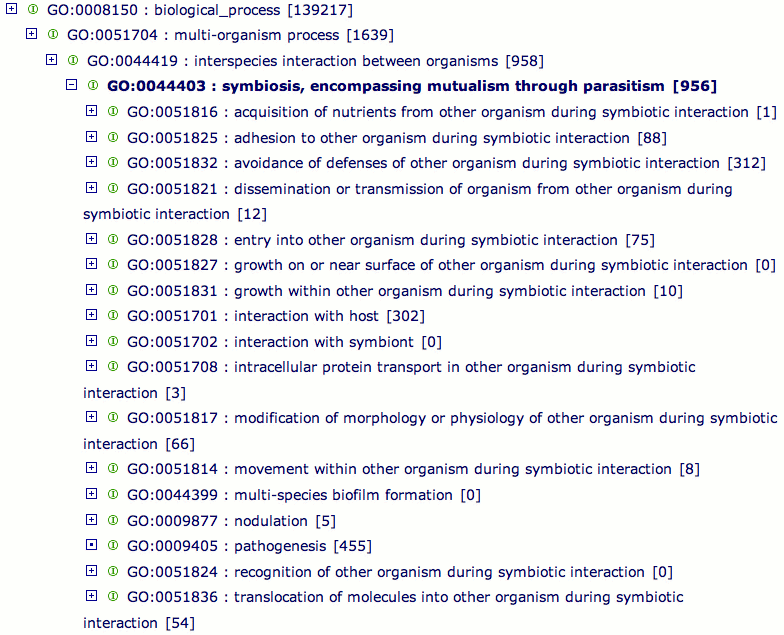



 Funding sources
  FUNDING SOURCES